

fig1
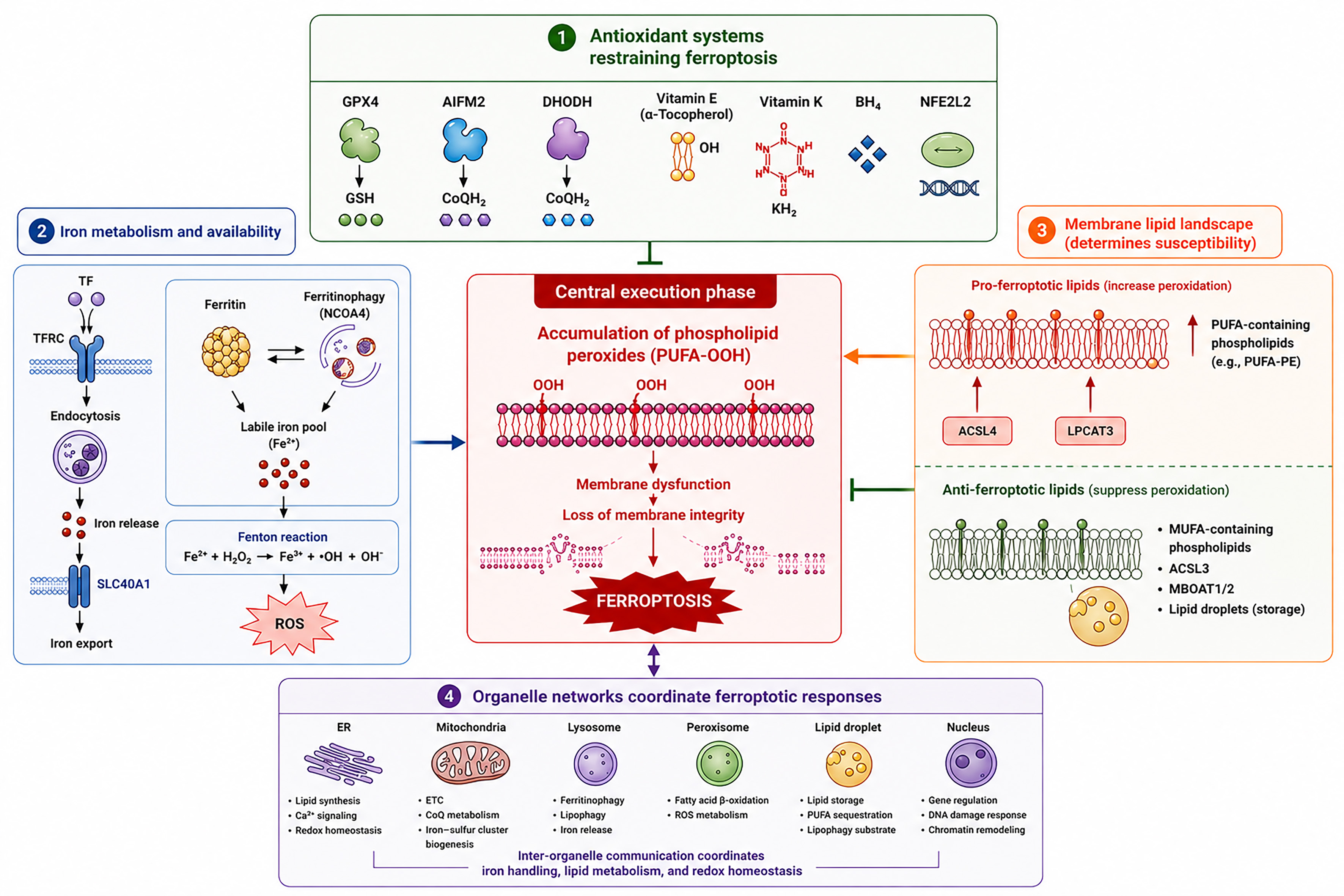
Figure 1. Conceptual framework of ferroptosis.
Ferroptosis is characterized by the accumulation of phospholipid peroxides beyond the capacity of cellular antioxidant and repair systems. Cellular susceptibility is determined by the interplay among four major regulatory modules: antioxidant defense systems, iron metabolism, membrane lipid composition, and organelle networks. Antioxidant pathways restrain phospholipid peroxidation, whereas iron availability and oxidation-prone membrane lipids promote oxidative membrane damage. Inter-organelle communication coordinates these processes through the regulation of iron handling, lipid metabolism, and redox homeostasis. Excessive phospholipid peroxidation ultimately leads to membrane dysfunction, loss of membrane integrity, and ferroptotic cell death. ACSL3: Acyl-CoA synthetase long-chain family member 3; ACSL4: acyl-CoA synthetase long-chain family member 4; AIFM2: apoptosis-inducing factor family member 2; BH4: tetrahydrobiopterin; CoQH2: reduced coenzyme Q (ubiquinol); DHODH: dihydroorotate dehydrogenase; DNA: deoxyribonucleic acid; ER: endoplasmic reticulum; ETC: electron transport chain; GPX4: glutathione peroxidase 4; GSH: glutathione; LPCAT3: lysophosphatidylcholine acyltransferase 3; MBOAT1/2: membrane-bound O-acyltransferase domain-containing 1/2; MUFA: monounsaturated fatty acid; NCOA4: nuclear receptor coactivator 4; NFE2L2: NFE2 like BZIP transcription factor 2; PUFA: polyunsaturated fatty acid; PUFA-OOH: polyunsaturated fatty acid hydroperoxide; PUFA-PE: polyunsaturated fatty acid-containing phosphatidylethanolamine; ROS: reactive oxygen species; SLC40A1: solute carrier family 40 member 1; TF: transferrin; TFRC: transferrin receptor.