


fig3
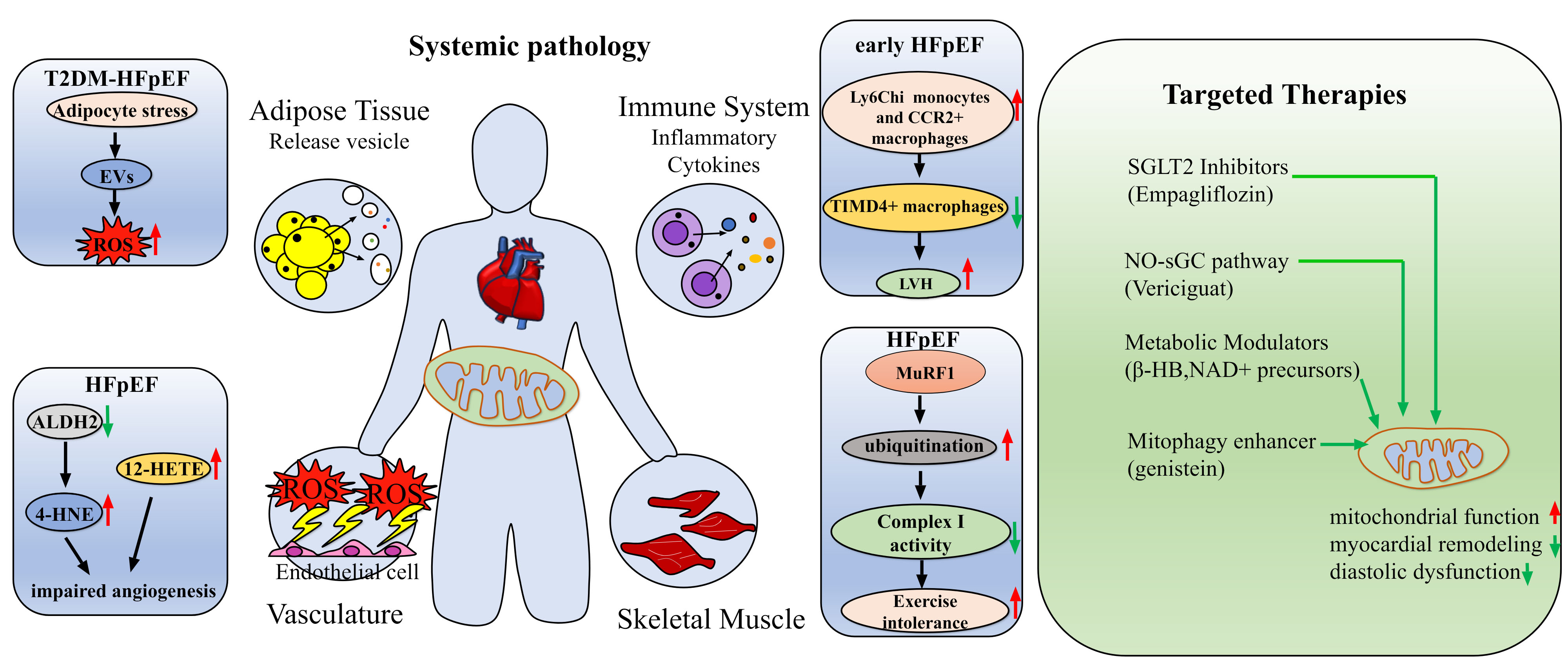
Figure 3. Multiorgan crosstalk and mitochondria-targeted therapeutic strategies in HFpEF. The left panel illustrates interactions among adipose tissue, the vasculature, the immune system, skeletal muscle, and the heart, highlighting mitochondrial dysfunction, oxidative stress, inflammation, and exercise intolerance. The right panel summarizes therapeutic strategies that restore mitochondrial homeostasis and alleviate myocardial remodeling and diastolic dysfunction. In the schematic, red upward and green downward arrows indicate increased and decreased expression or activity, respectively. Black arrows indicate regulatory relationships, orange arrows illustrate inter-organ crosstalk, and green arrows indicate therapeutic effects on mitochondrial function. HFpEF: Heart failure with preserved ejection fraction; ROS: reactive oxygen species; SGLT2: sodium-glucose cotransporter 2; NO-sGC-cGMP: nitric oxide-soluble guanylate cyclase-cyclic guanosine monophosphate; NAD+: nicotinamide adenine dinucleotide; AMPK: AMP-activated protein kinase; PGC-1α: peroxisome proliferator-activated receptor gamma coactivator 1-alpha; β-HB: Β-hydroxybutyrate; ALDH2: aldehyde dehydrogenase 2; TIMD4+: T-cell immunoglobulin and mucin domain-containing protein 4-positive; LVH: left ventricular hypertrophy; EVs: extracellular vesicles; 4-HNE: 4-hydroxynonenal; 12-HETE: 12-hydroxyeicosatetraenoic acid.