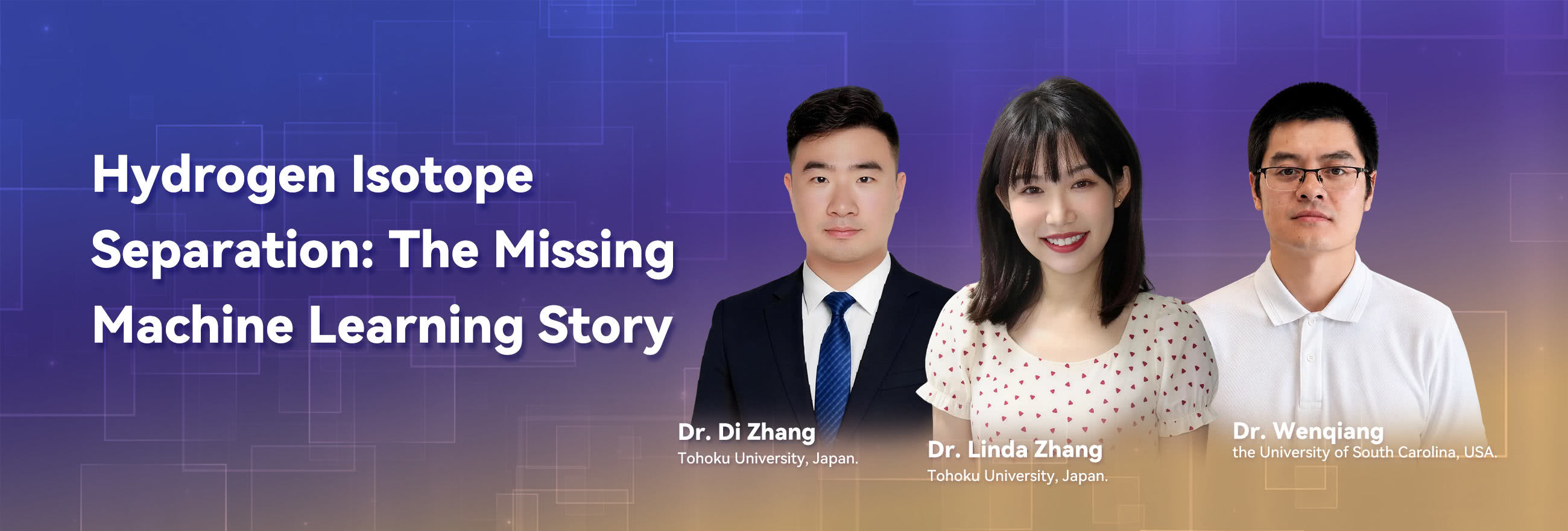
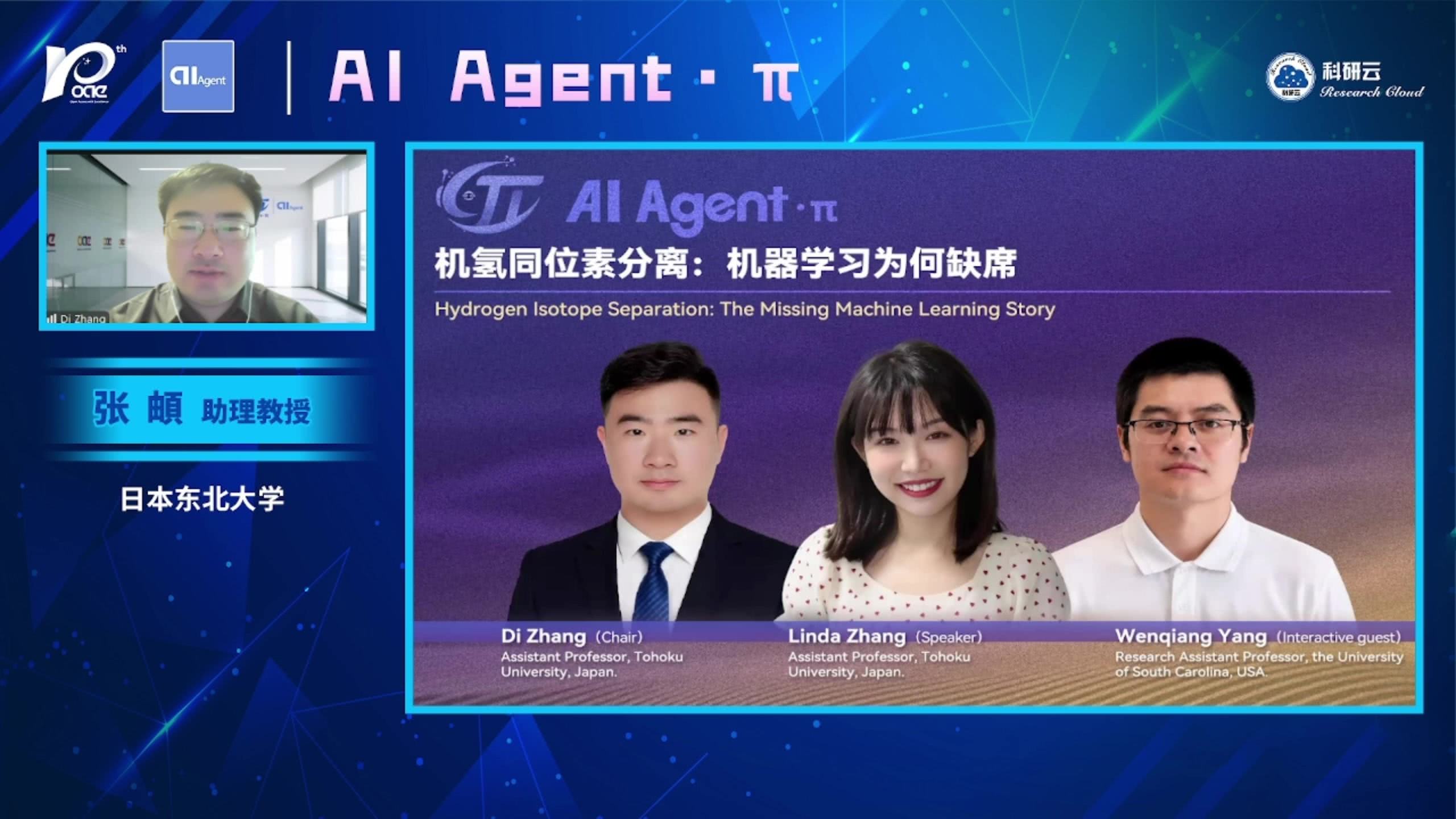
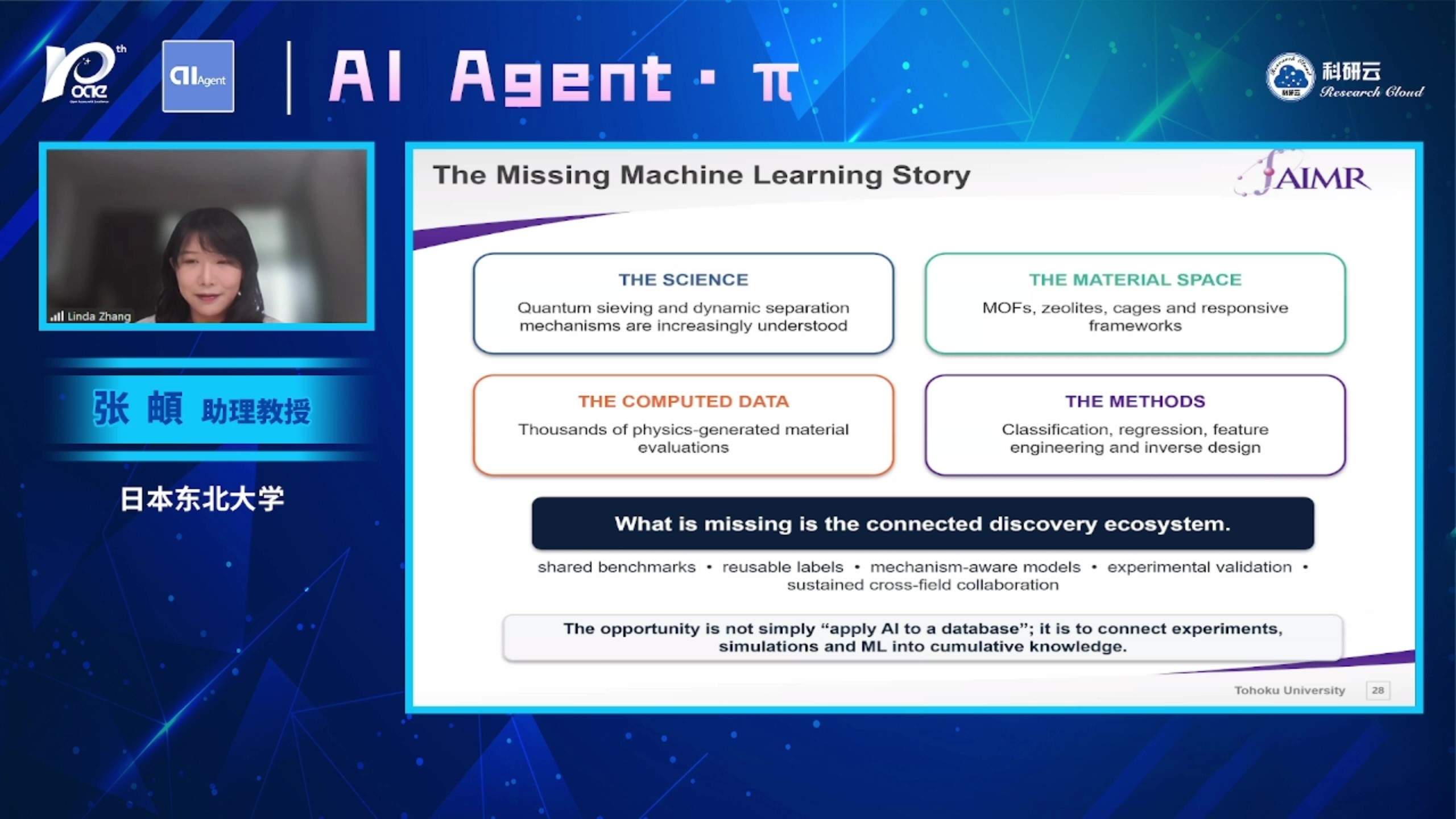
Hydrogen Isotope Separation: The Missing Machine Learning Story
Contents
Chair
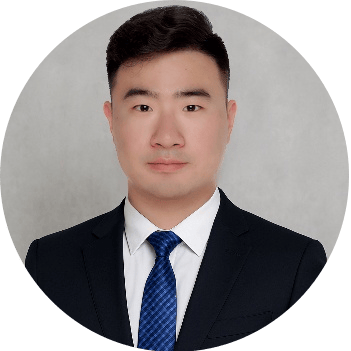
Di Zhang
Di Zhang, Assistant Professor, Tohoku University, Japan.
Dr. Di Zhang is an Assistant Professor at Tohoku University, Japan. He received his Ph.D. from Shanghai Jiao Tong University in 2021 and was selected for the China Postdoctoral Innovative Talent Support Program (2021). He has long been engaged in theoretical research on the design of energy materials for catalysis, batteries, and related areas. His main research interests include the development of computational materials theory and artificial intelligence methods, theoretical modeling and prediction of electrocatalytic processes, and the design and development of advanced hydrogen energy materials. He has served as principal investigator for projects funded by the Postdoctoral Innovative Talent Support Program and the National Natural Science Foundation of China (Young Scientists Fund), among others, and has participated in more than ten projects including key R&D program topics/subtopics. He has published over 60 SCI-indexed papers as first author in journals such as Nature Communications, JACS, Energy & Environmental Science, and Advanced Materials, and serves as a Young Editorial Board Member for journals including AI Agent and AI for Materials.
Guest
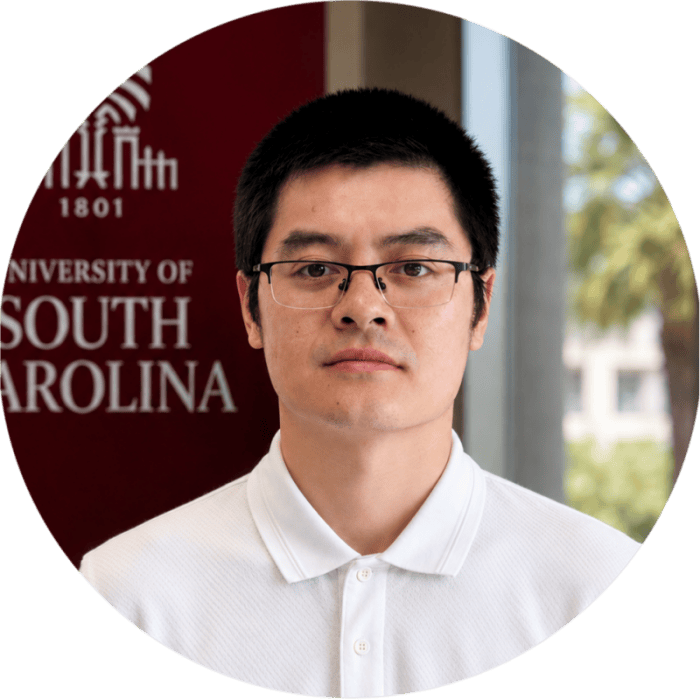
Wenqiang Yang
Wenqiang Yang, Research Assistant Professor, University of South Carolina, USA.
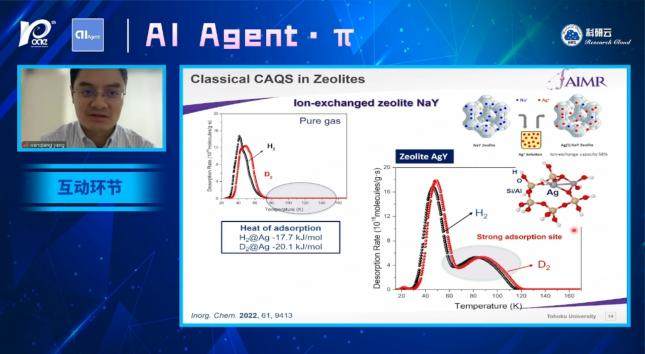
Dr. Wenqiang Yang is a Research Assistant Professor in the Department of Chemical Engineering at the University of South Carolina. He earned his Ph.D. in Chemical Engineering from the University of South Carolina in 2020, following an M.S. in Materials Science and Engineering from the University of Science and Technology of China (USTC) and a B.S. from Nanjing University of Science and Technology (NJUST). Dr. Yang’s research lies at the intersection of computational catalysis, machine learning (ML), and sustainable energy. He specializes in multiscale simulations — from first-principles DFT to reactor microkinetic modeling — and in the investigation of catalytic reactions under realistic reaction conditions to bridge the gap between ideal surfaces and practical catalysts. He actively integrates physics-informed ML models to accelerate catalyst discovery and explore complex large reaction networks. His recent work includes liquid organic hydrogen carrier (LOHC) dehydrogenation, ferromagnetic catalysts for on-demand hydrogen production, CO methanation, and biomass hydrodeoxygenation. He has published in Nature Communications, ACS Catalysis, Chem Catalysis, and Journal of Catalysis, and is the recipient of the Kokes Award from the 2019 North American Catalysis Society meeting. Prior to his current position, he was a postdoctoral fellow at the Technical University of Denmark (with Prof. Jens K. Nørskov) and at the University of South Carolina (with Prof. Andreas Heyden).
Speaker
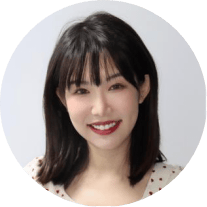
Linda Zhang
Linda Zhang, Assistant Professor, Tohoku University, Japan.
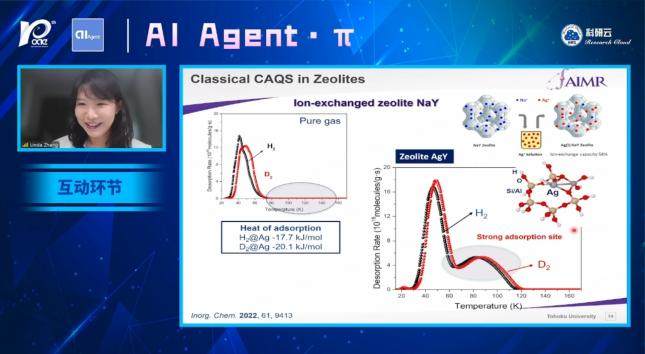
Dr. Linda Zhang is currently an Assistant Professor at the Advanced Institute for Materials Research (WPI-AIMR), Tohoku University, Japan. Her research focuses on renewable energy, particularly the development and application of novel porous materials for hydrogen energy, gas separation, carbon capture, and energy storage. She received her Ph.D. from the Max Planck Institute in Germany in 2020. Dr. Zhang has published numerous high-impact research articles in leading journals, including Nature Communications, Journal of the American Chemical Society (JACS), Angewandte Chemie, and Science.
Moments
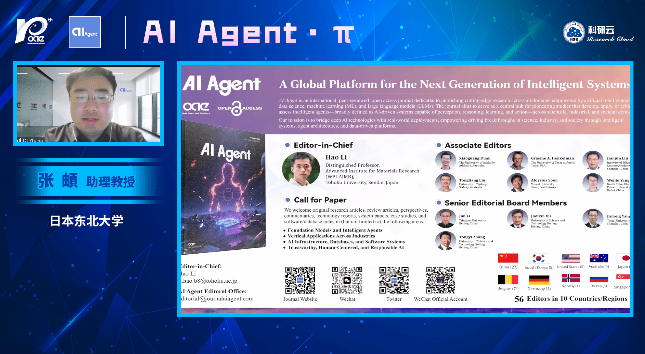
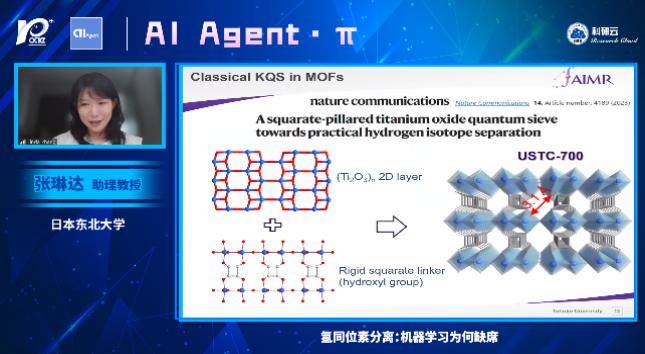
Presentation
NaN
NaN
NaN