

A decade of advancement in electrical stimulation therapy for spinal cord injury: a bibliometric analysis (2015-2025)
 0
0 Abstract
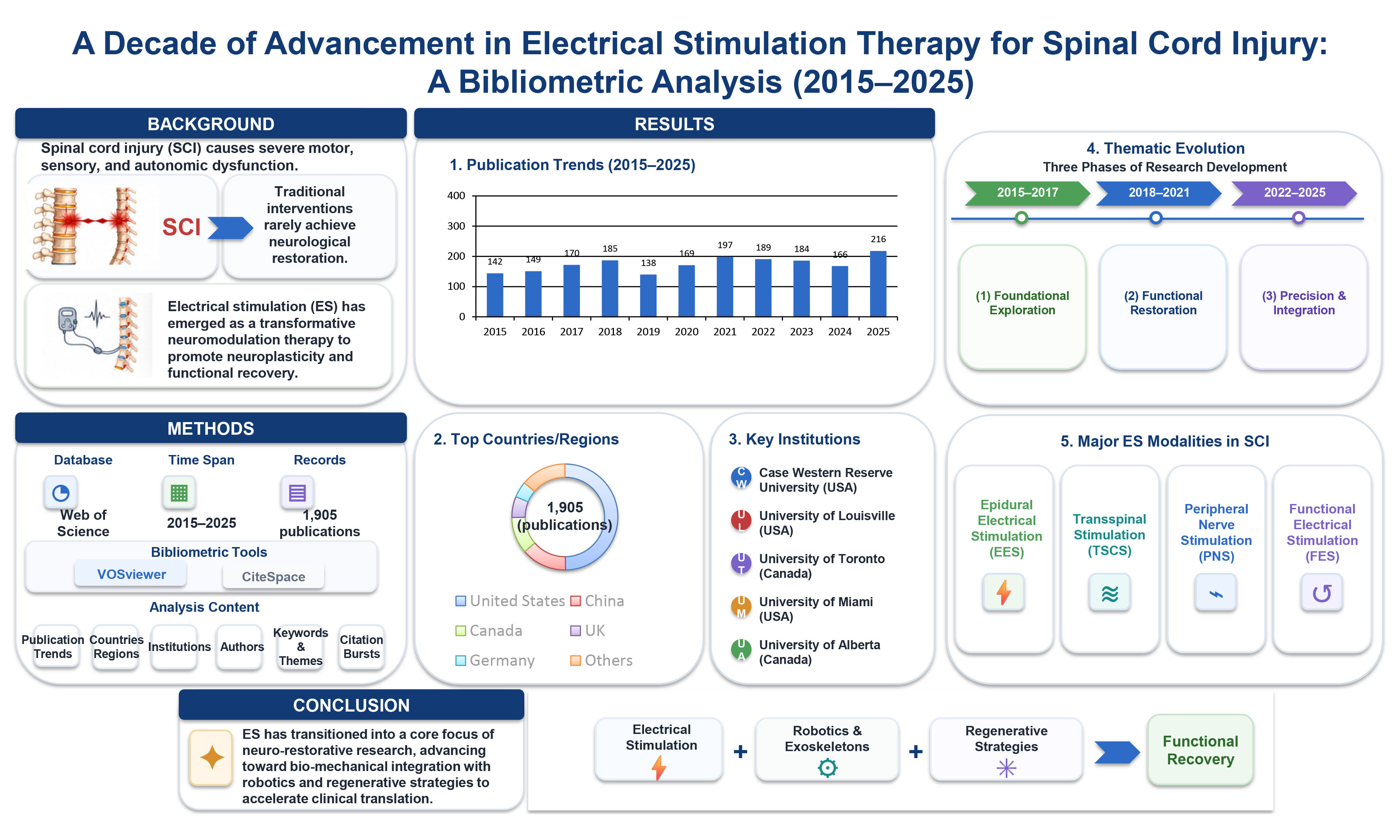
Aim: Spinal cord injury (SCI) causes severe motor, sensory, and autonomic dysfunction, while conventional interventions rarely achieve meaningful neurological restoration. Electrical stimulation (ES) has emerged as a promising neuromodulation strategy. This study aimed to characterize the global research landscape, evolving trends, and emerging frontiers of ES for SCI.
Methods: A bibliometric analysis was conducted using 1,905 publications indexed in the Web of Science Core Collection from 2015 to 2025. VOSviewer and CiteSpace were used to assess publication trends, geographical and institutional contributions, research collaborations, thematic evolution, and citation bursts.
Results: Publications showed an overall upward trend despite year-to-year fluctuations, with the United States leading (49.82%), followed by China (13.86%) and Canada (11.18%). Key institutions include Case Western Reserve University and the University of Louisville. Themes evolved through three phases: (1) Foundational Exploration (2015-2017) focusing on safety and autonomic complications; (2) Functional Restoration (2018-2021) emphasizing gait and neuroplasticity; and (3) Precision & Integration (2022-2025) characterized by epidural spinal stimulation, brain-spine interfaces, and AI protocols.
Conclusion: ES has transitioned into a core focus of neuro-restorative research, advancing toward biomechanical integration with robotics and regenerative strategies to accelerate clinical translation.
Keywords
INTRODUCTION
Spinal cord injury (SCI) represents a devastating neurological condition, often resulting in severe and permanent motor, sensory, and autonomic dysfunction. As orthopedic surgeons, we know the primary mechanical insult to the spinal column and cord is merely the beginning of a complex pathological cascade. This initial trauma triggers a series of secondary injury processes. These include ischemia, inflammation, glutamate excitotoxicity, and glial scar formation. Consequently, these processes lead to progressive cell death and axonal degeneration. Ultimately, they create an inhibitory microenvironment that is hostile to neural regeneration and functional recovery[1-10].
For decades, the therapeutic arsenal for SCI has been predominantly limited to surgical decompression and stabilization, alongside rehabilitative therapies. While these interventions are crucial for mitigating further damage and maximizing residual function, they rarely lead to significant neurological restoration[11-15]. The profound personal, social, and economic burden of SCI underscores the urgent, unmet need for innovative strategies that can actively promote neuroplasticity and repair within the central nervous system[16-18].
In recent years, electrical stimulation (ES), a technique with a long history in neurology and orthopedics, has re-emerged as a profoundly promising neuromodulation therapy for SCI[17-24]. Moving beyond its traditional use for pain management or muscle conditioning, ES is now being leveraged to modulate the excitability of neural circuits, augment synaptic strength, and foster adaptive plasticity[25]. Groundbreaking studies in both animal models and human clinical trials have demonstrated significant therapeutic benefits. Various modalities of ES - such as epidural electrical stimulation (EES), transspinal stimulation, and peripheral nerve stimulation - can remarkably facilitate volitional motor control. Furthermore, these modalities improve standing and stepping, and can even restore some autonomic functions in individuals with chronic, severe SCI[26-28].
This bibliometric analysis aims to provide a comprehensive and critical overview of the current state of ES for the treatment of SCI, quantitatively mapping the global research landscape from 2015 to 2025. Bibliometrics leverages distinct strengths, such as identifying key themes, emerging trends, and influential contributors globally. By utilizing these methods, we aim to elucidate the fundamental mechanisms through which ES is believed to act[29,30]. We will also summarize the most compelling preclinical and clinical evidence and discuss significant challenges and future directions. This integrated approach will not only clarify the current research forefront but also inform the strategic integration of ES technology into the standard orthopedic and neurological care paradigm for SCI.
METHODS
Literature sources and search strategy
To ensure a thorough literature review, we first identified key title keywords and augmented them with corresponding MeSH terms from PubMed[31]. This combined set of terms was used to structure a comprehensive search in the Web of Science Core Collection (Science Citation Index Expanded, SCI-EXPANDED), executed on January 5, 2026. The search string was detailed as follows: TS = (“spinal cord injury” OR “spinal cord injuries” OR “SCI” OR “spinal trauma” OR “spinal lesion” OR “spinal cord damage”) AND (“electrical stimulation” OR “neurostimulation” OR “neural stimulation” OR “functional electrical stimulation” OR “FES” OR “epidural stimulation” OR “transcutaneous electrical stimulation” OR “tES” OR “transcranial electrical stimulation” OR “spinal stimulation”).
The search was performed from January 1, 2015 to December 31, 2025. The explicit inclusion criteria comprised: (1) peer-reviewed original research articles and review papers; (2) studies published within the defined 2015-2025 timeframe; and (3) literature focusing explicitly on electrical stimulation therapies for SCI. The exclusion criteria comprised: (1) meeting abstracts, editorial materials, letters, data papers, news items, conference papers, corrections, and retracted publications; and (2) articles addressing unrelated neurological conditions, non-electrical interventions, or publications not written in English.
All raw search results exported from the database were imported into Microsoft Excel 2019, where a systematic literature deduplication process was independently performed by two researchers to identify and remove identical duplicate records based on exact matches in publication title, author names, publication year, and source journal. Early Access publications were assigned to the year of their initial online publication. Thus, articles first published online in 2025 but subsequently assigned to journal volumes/issues in 2026 were classified as 2025 publications. Following document-type and language screening, deduplication, and title/abstract eligibility assessment, a final set of 1,905 publications was included in the bibliometric analysis. No additional records were excluded during the deduplication or title/abstract screening. The complete retrieval and selection process is depicted in Figure 1.
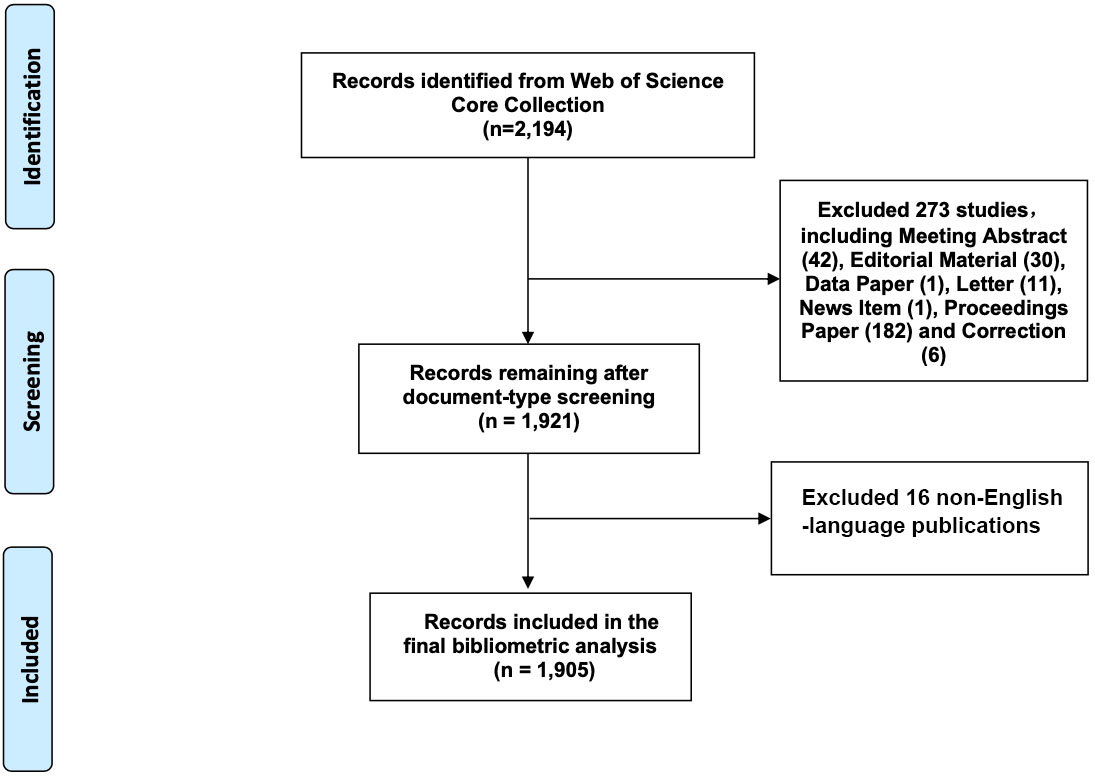
Figure 1. Schematic diagram of the data retrieval and analysis process.
Data collection and statistics
Screening protocol and criteria
To ensure the dataset captured relevant literature, title and abstract screening was performed after the exclusion of non-eligible document types. Two independent researchers (Ren Y, Fan B) screened the titles and abstracts of all remaining records. No additional records were excluded during this stage because all screened publications met the predefined relevance criteria for SCI and electrical stimulation. Any potential discrepancies were reviewed by a third investigator.
Deduplication process
The raw data sourced from Web of Science were initially imported into Microsoft Excel 2019 for primary sorting. A systematic deduplication procedure was performed prior to title and abstract screening using a multi-step matching process based on publication title, author names, publication year, and source journal. Automated matching was followed by manual verification by two investigators (Ren Y, Fan B). No duplicate records were identified during this process. Investigators independently reviewed ambiguous entries flagged for metadata formatting differences, and a third investigator adjudicated unresolved discrepancies.
Bibliometric indicators and data analysis
Key bibliometric indicators, including annual publication counts, citation frequency, H-index, and total link strength (TLS), were extracted to assess research productivity, citation impact, and collaboration patterns. Bibliographic data were analyzed using bibliometric.com[32-34], VOSviewer, and CiteSpace. Descriptive bibliometric analyses were conducted to characterize temporal publication trends and the contributions of countries/regions, institutions, authors, and journals. Keyword co-occurrence and temporal trend analyses were further performed to identify major research themes and their evolution, while citation burst analysis was used to detect references and topics receiving rapidly increasing attention. Annual publication trends were visualized using GraphPad Prism (version 10.0.0)[35].
Network mapping and visualization parameters
Furthermore, a keyword co-occurrence analysis was executed using VOSviewer, a Java-based application. For bibliometric mapping and network visualization, specific software parameters were standardized: For VOSviewer, Full counting was applied, with attraction and repulsion parameters set to 2 and 1, respectively. In the resulting visualizations, node size, color, and proximity indicate keyword frequency and relational strength. To identify rapidly emerging concepts, a citation burst analysis of keywords was performed with CiteSpace (Version 6.3.R2), where time slicing spanned from 2015 to 2025 (slice length = 1 year), node selection utilized the g-index, and keyword burst detection was configured with a γ value of 0.5 and a minimum duration of 2 years. Burst strength indicates frequency, and the timeline shows their periods of prominence. Research hotspots were subsequently defined as frequently occurring sub-keywords within major scientific themes[36].
RESULTS
Annual literature publication numbers and temporal trends
A total of 1,905 articles were screened and selected for analysis. The annual distribution of these publications from 2015 to 2025 was presented in Figure 2. Overall, the annual count generally rose from 2015 to 2025, with a notable recent peak of 216 publications in 2025.
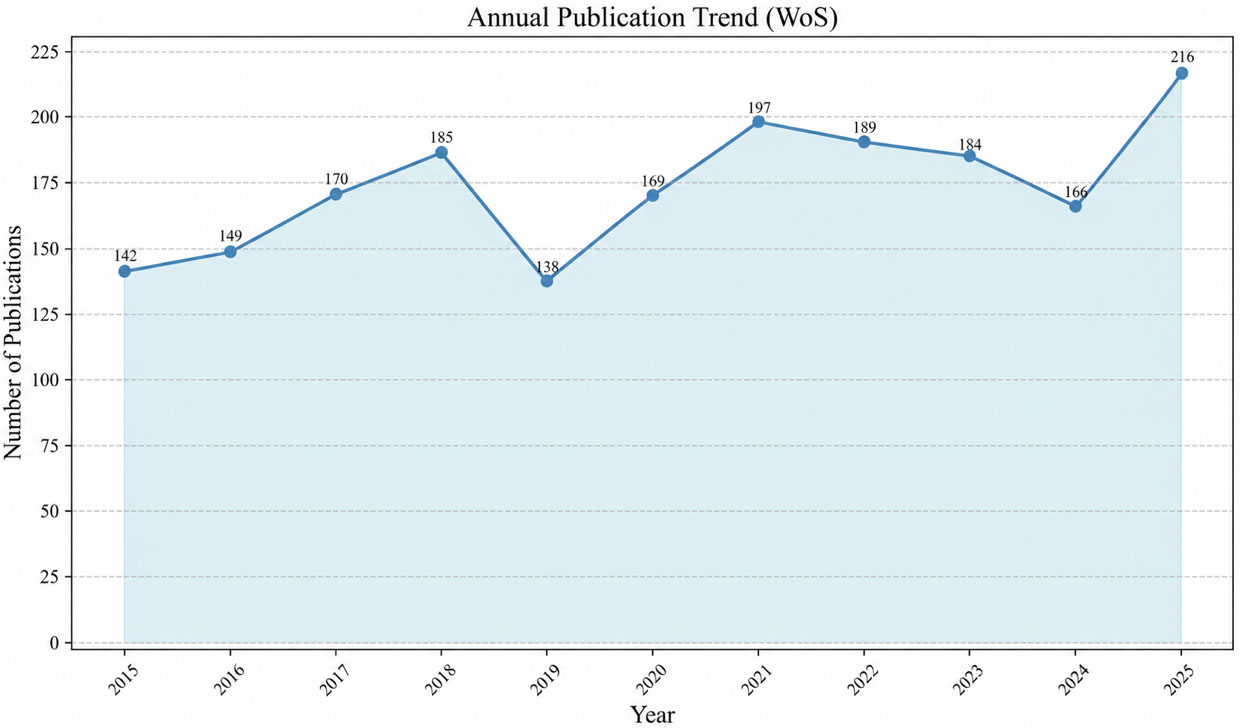
Figure 2. Trend graph of the number of articles published per year in the field.
Analysis of countries/regions
A total of 59 nations worldwide contributed to the 1905 publications on ES for motor function recovery following SCI. The international collaboration network among countries/regions from 2015 to 2025 is visualized in Figure 3 using VOSviewer. Table 1 presents the top 10 countries and institutions in research on ES therapy for SCI. The United States was the most prolific country, accounting for 949 publications (49.82%), followed by China with 264 (13.86%) and Canada with 213 (11.18%). The overwhelming publication share held by the United States is largely driven by robust federal and institutional funding (such as NIH and Department of Defense grants) dedicated to neuroprosthetics, alongside pioneering clinical centers with long-standing trial infrastructures. Meanwhile, China’s rapid rise to second place reflects a substantial recent surge in national investments directed toward neuro-regeneration and advanced rehabilitation engineering. Regarding international cooperative networks, the five countries with the greatest total link strength (TLS) were the United States (TLS = 535), England (TLS = 197), Canada (TLS = 161), Switzerland (TLS = 157), and Italy (TLS = 146). These metrics highlight a dense transatlantic and European collaborative axis, where nations like Switzerland and England act as crucial bridges for multicenter clinical trials and translational bioelectronic studies. The global distribution of research output and international collaboration is presented in Figure 4.
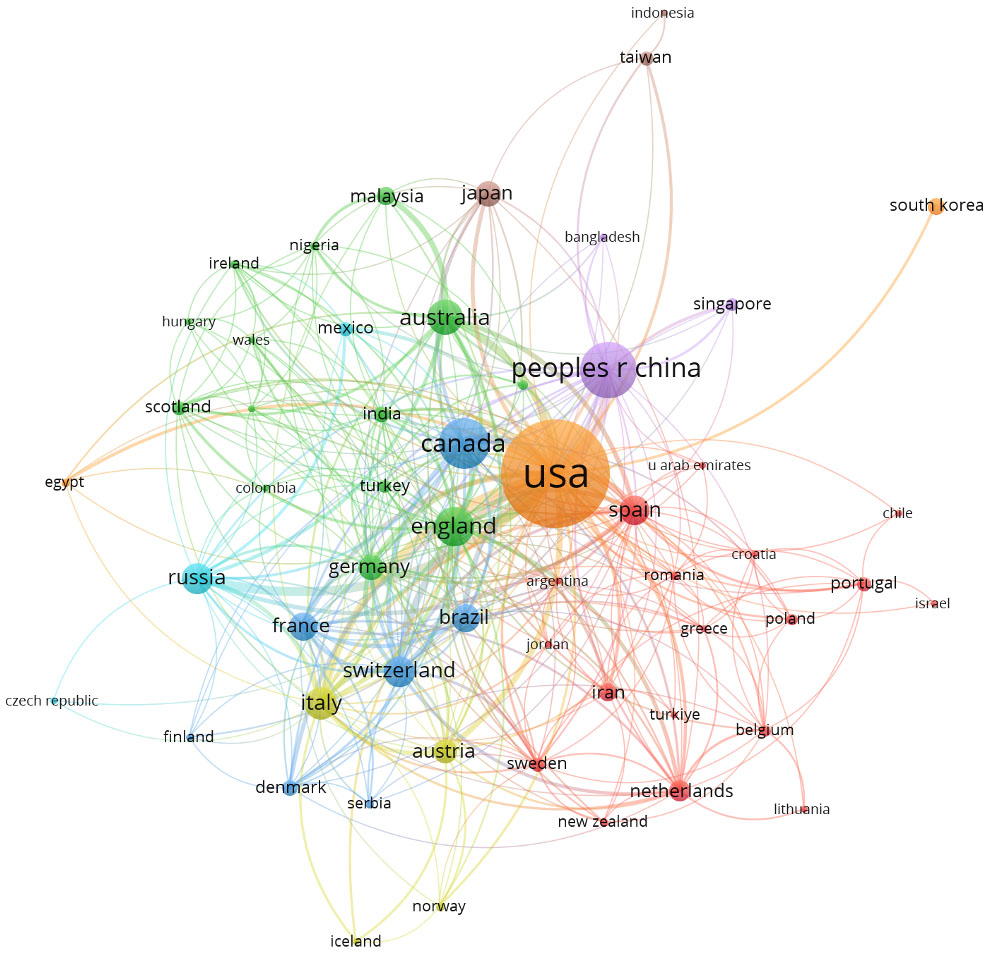
Figure 3. VOSviewer country co-authorship network. Each node represents a country/region; node size reflects publication output, and links indicate collaborative relationships between countries/regions.
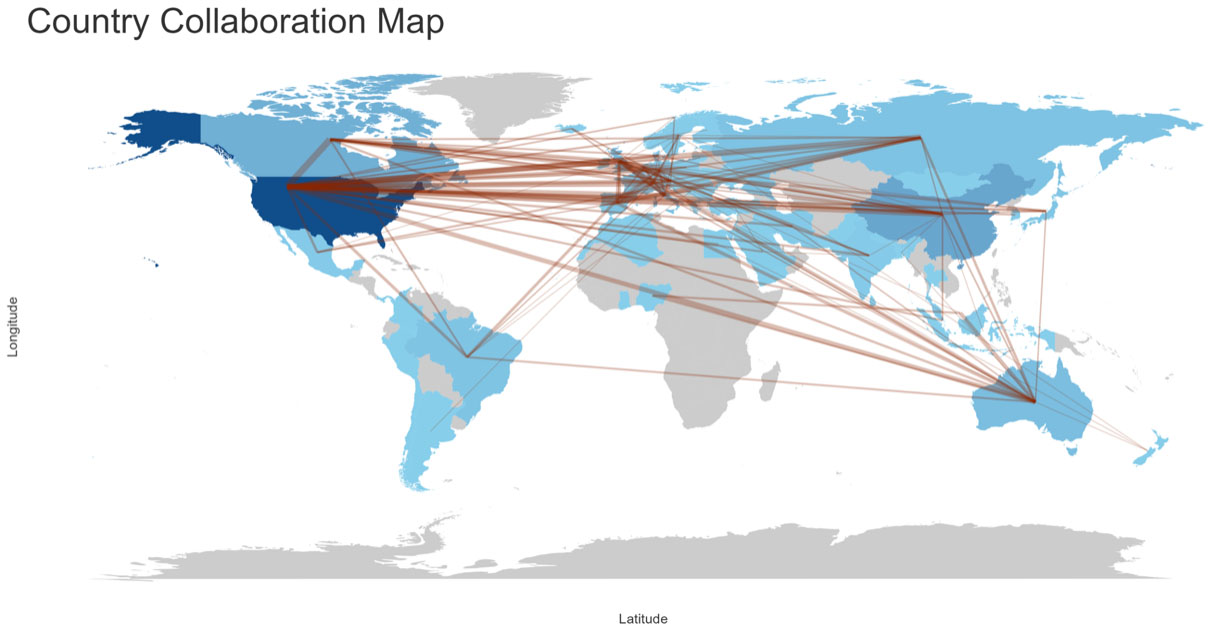
Figure 4. Global research output distribution and cooperation.
Top 10 countries and institutions on research of electrical stimulation therapy for spinal cord injury
| Rank | Country | Counts | Institution | Counts | |
| 1 | United States | 949 | Case Western Reserve University | 87 | |
| 2 | China | 264 | University of Toronto | 73 | |
| 3 | Canada | 213 | University of Louisville | 71 | |
| 4 | England | 132 | University of Miami | 57 | |
| 5 | Australia | 110 | Virginia Commonwealth University | 56 | |
| 6 | Italy | 94 | University Health Network | 53 | |
| 7 | Switzerland | 86 | University of Alberta | 52 | |
| 8 | Russia | 80 | University of California, Los Angeles | 48 | |
| 9 | Spain | 73 | University of Sydney | 47 | |
| 10 | Brazil | 67 | Harvard Medical School | 45 |
Analysis of institutions
Among institutions meeting the predefined inclusion threshold, 101 were included in the network analysis. The top ten institutions by publication count were Case Western Reserve University (87 publications), University of Toronto (73 publications), University of Louisville (71 publications), University of Miami (57 publications), Virginia Commonwealth University (56 publications), University of Health Network (53 publications), University of Alberta (52 publications), University of California, Los Angeles (48 publications), University of Sydney (47 publications), and Harvard Medical School (45 publications), as detailed in Table 1. The leadership of institutions such as Case Western Reserve University and the University of Louisville stems from their historical specialization in functional electrical stimulation (FES) and human epidural stimulation trials. These centers possess unique synergies between clinical rehabilitation hospitals and bioengineering laboratories, allowing them to rapidly translate benchtop paradigms into human subjects. The institutional co-authorship network is visualized in Figure 5 using VOSviewer, illustrating the collaborative relationships among the major research institutions in this field. The five institutions with the highest TLS values were the University of Louisville (115), Case Western Reserve University (105), University of California, Los Angeles (102), University of Miami (99), and University of British Columbia (93), demonstrating that high publication volume closely correlates with central positioning in international co-authorship webs.
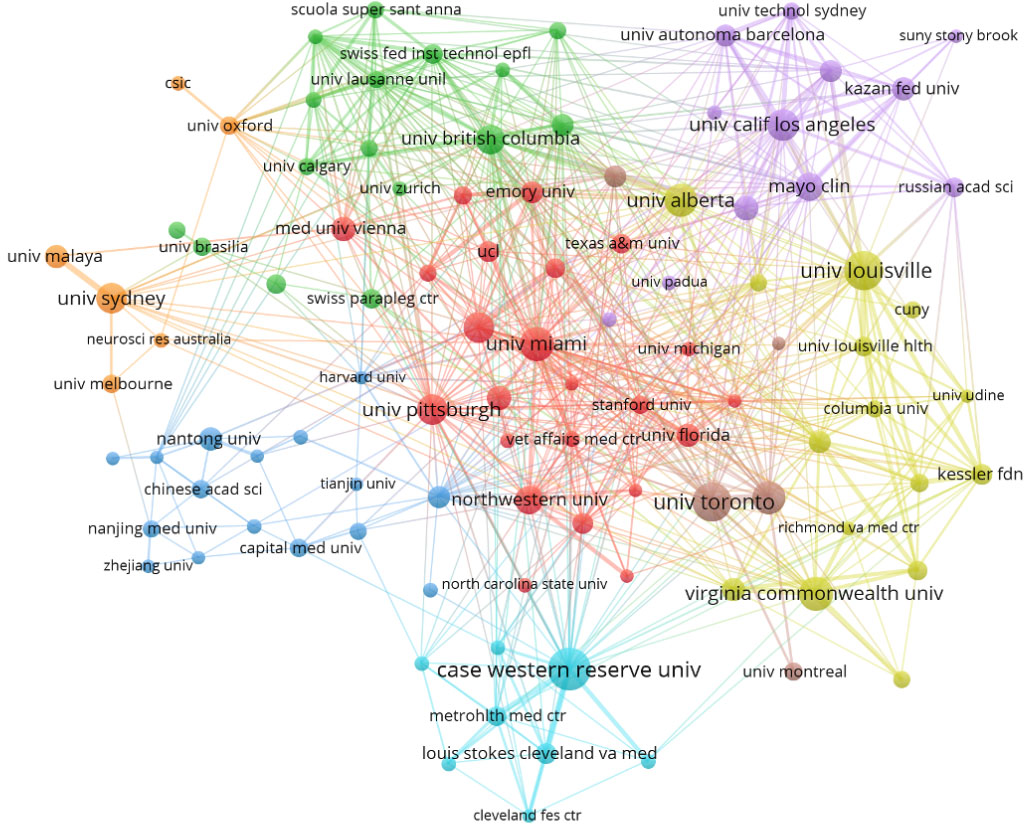
Figure 5. VOSviewer institution co-authorship network. Each node represents an institution; node size reflects publication output, and links indicate collaborative relationships between institutions.
Analysis of authors and co-cited authors
A total of 111 authors and 90 co-cited authors met the predefined inclusion thresholds and were included in the network analysis. The ten most prolific and frequently cited authors are listed in Table 2, while the author co-authorship network is presented in Figure 6 using VOSviewer, illustrating collaborative relationships among researchers in the field. In terms of publication volume, the top five authors were Gorgey, Ashraf S. (57 publications), Harkema, Susan J. (35 publications), Edgerton, V. Reggie (33 publications), Hamzaid, Nur Azah (26 publications), and Triolo, Ronald J (25 publications), as shown in Table 2. Regarding citation impact, the leading five authors were Gorgey, Ashraf S. (778 citations), Angeli, CA (460 citations), Hofstoetter, US (454 citations), Minassian, K (432 citations), and Harkema, S (344 citations), demonstrating a significant overlap with the most productive researchers. This overlap indicates that primary producers in this field are also the intellectual anchors whose methodologies shape the broader consensus. Analysis of total link strength (TLS) further identified Minassian, K (TLS = 10,456), Hofstoetter, US (TLS = 9,817), Angeli, CA (TLS = 8,995), Sayenko, DG (TLS = 6,853), and Gorgey, AS (TLS = 6,772) as the authors with the strongest overall collaborative links within the co-authorship network (Table 2). Higher TLS values indicate stronger cumulative co-authorship connections with other researchers in the network, suggesting that these authors are highly interconnected within the field. Their strong collaborative connectivity may facilitate the exchange of knowledge, methodologies, and neuromodulation approaches across research groups, thereby contributing to the development and dissemination of electrical stimulation research for SCI.
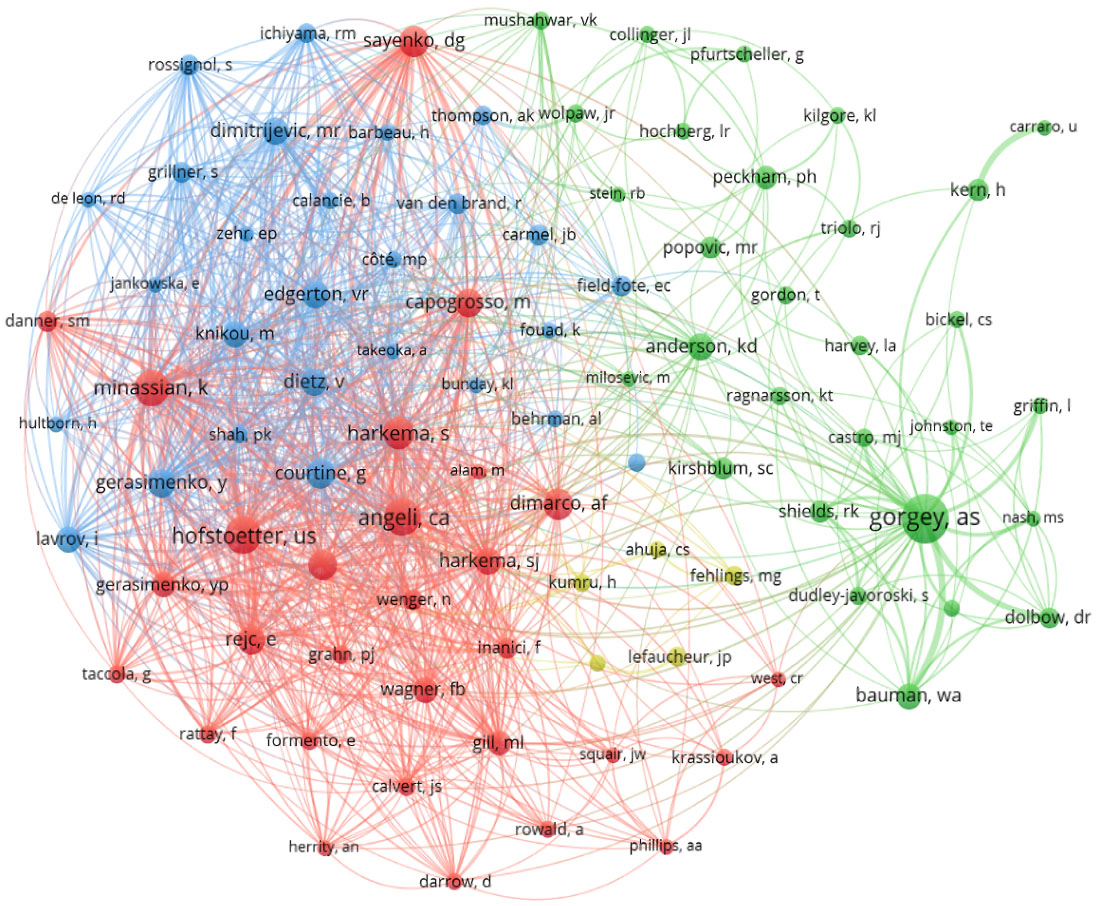
Figure 6. VOSviewer author co-authorship network. Each node represents an author; node size reflects publication output, and links indicate co-authorship relationships. Shorter distances and denser links indicate closer collaboration.
Top 10 authors and co-cited authors on research of electrical stimulation therapy for spinal cord injury
| Rank | Authors | Counts | Co-cited authors | Citations |
| 1 | Ashraf S. Gorgey | 57 | A. S. Gorgey | 778 |
| 2 | Susan J. Harkema | 35 | C. A. Angeli | 460 |
| 3 | V. Reggie Edgerton | 33 | U. S. Hofstoetter | 454 |
| 4 | Nur Azah Hamzaid | 26 | K. Minassian | 432 |
| 5 | Ronald J. Triolo | 25 | S. Harkema | 344 |
| 6 | Glen M. Davis | 24 | D. G. Sayenko | 311 |
| 7 | Enrico Rejc | 24 | A. F. Dimarco | 302 |
| 8 | Milos R. Popovic | 23 | G. Courtine | 293 |
| 9 | Beatrice Ugiliweneza | 23 | P. Gad | 278 |
| 10 | Nazirah Hasnan | 21 | E. Rejc | 271 |
Analysis of Journals
The top 10 journals and co-cited journals for research on ES therapy for SCI are shown in Table 3. Of the 121 journals included in the analysis, Journal of Spinal Cord Medicine (n = 88, H-index = 84), IEEE Transactions on Neural Systems and Rehabilitation Engineering (n = 50, H-index = 179), and Frontiers in Neuroscience (n = 48, H-index = 186) were identified as the leading three publication venues. Figure 7 presents the VOSviewer network visualization of cited sources (journals), illustrating the citation-related relationships and clustering patterns among influential journals in the field. Together, these journals published 9.76% of the total studies. Among the top ten most productive journals in this domain, half were ranked in the Q1 quartile, representing the top 25% of journals by impact factor. Furthermore, a majority had an impact factor exceeding 3.0, resulting in a collective average impact factor of 3.5. As shown in Table 3, Spinal Cord (H-index = 135) was the most frequently cited journal in this field. According to Journal Citation Reports (JCR) rankings, over half of these top ten journals were also in the Q1 quartile. Seventy percent possessed an impact factor above 3.0, with the group’s average impact factor reaching 7.96.
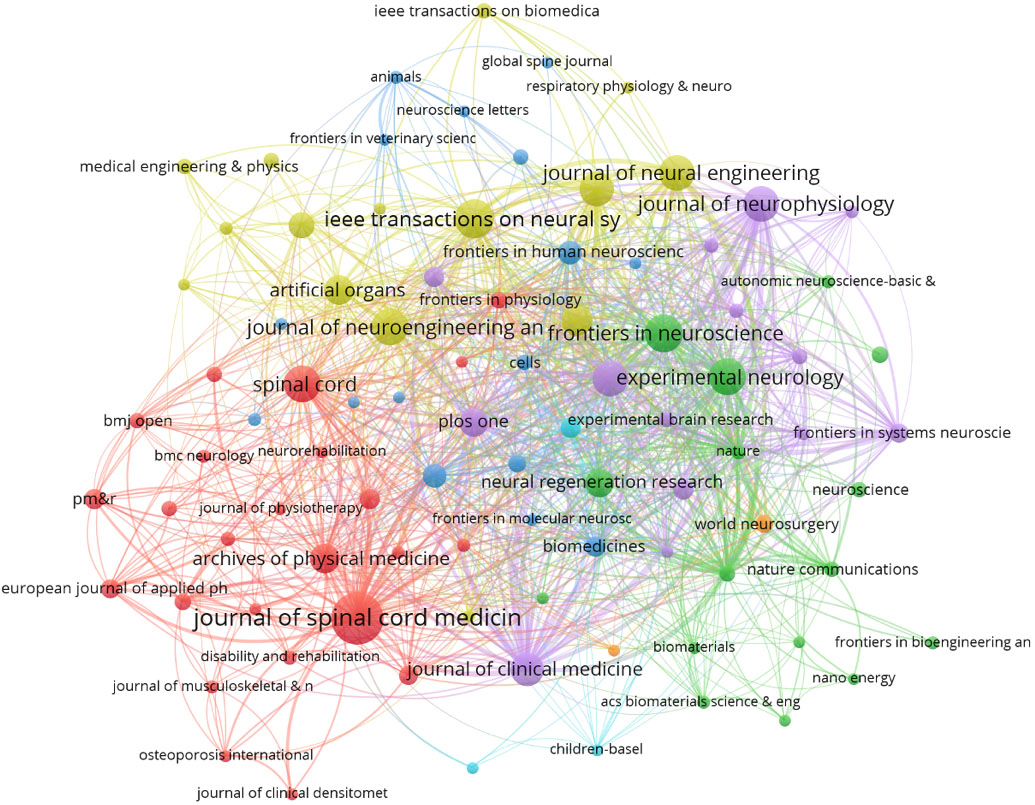
Figure 7. VOSviewer network visualization of cited sources (journals). Nodes represent journals/sources, and links indicate citation-related relationships among sources; colors denote network clusters.
Top 10 journals and co-cited journals for research of electrical stimulation therapy for spinal cord injury
| Rank | Journal | Counts | IF | H-index | JCR | Co-cited journal | Co-citation | IF | H-index | JCR |
| 1 | Journal of Spinal Cord Medicine | 88 | 1.5 | 84 | Q2 | Spinal Cord | 4,468 | 2.2 | 135 | Q2 |
| 2 | IEEE Transactions on Neural Systems and Rehabilitation Engineering | 50 | 5.2 | 179 | Q1 | Archives of Physical Medicine and Rehabilitation | 3,518 | 3.7 | 225 | Q1 |
| 3 | Frontiers in Neuroscience | 48 | 3.2 | 186 | Q2 | Journal of Neurophysiology | 3,058 | 2.1 | 279 | Q3 |
| 4 | Experimental Neurology | 46 | 4.2 | 219 | Q1 | Journal of Neuroscience | 3,052 | 4 | 528 | Q1 |
| 5 | Journal of NeuroEngineering and Rehabilitation | 45 | 5.2 | 137 | Q1 | Journal of Neurotrauma | 2,649 | 3.8 | 187 | Q1 |
| 6 | Spinal Cord | 44 | 2.2 | 135 | Q2 | Journal of Spinal Cord Medicine | 2,470 | 1.5 | 84 | Q2 |
| 7 | Journal of Neurophysiology | 43 | 2.1 | 279 | Q3 | Experimental Neurology | 2,054 | 4.2 | 219 | Q1 |
| 8 | Journal of Neurotrauma | 43 | 3.8 | 187 | Q1 | Journal of Physiology-London | 1,760 | 4.4 | 285 | Q1 |
| 9 | Journal of Neural Engineering | 42 | 3.8 | 151 | Q2 | Nature | 1,593 | 48.5 | 1495 | Q1 |
| 10 | Scientific Reports | 40 | 3.9 | 382 | Q1 | IEEE Transactions on Neural Systems and Rehabilitation Engineering | 1,506 | 5.2 | 179 | Q1 |
Analysis of keywords
Keyword occurrence analysis
Table 4 shows the top 20 keywords in research on ES therapy for SCI. A total of 99 author-provided keywords met the predefined inclusion threshold and were included in the keyword co-occurrence analysis, providing an overview of the major research themes and thematic priorities in ES research for SCI. Temporal analysis of author keyword frequency showed a marked evolution in research focus from 2015 to 2025. The ten most frequently utilized keywords are “spinal cord injury” (872), “functional electrical stimulation” (245), “rehabilitation” (193), “electrical stimulation” (188), “neuromodulation” (160), “epidural spinal cord stimulation” (97), “spinal cord stimulation” (81), “neuroprosthesis” (59), “neuromuscular electrical stimulation” (58), and “locomotion” (52). Figure 8 presents the thematic evolution of ES therapy for SCI research topics from 2015 to 2025 based on keyword frequency.
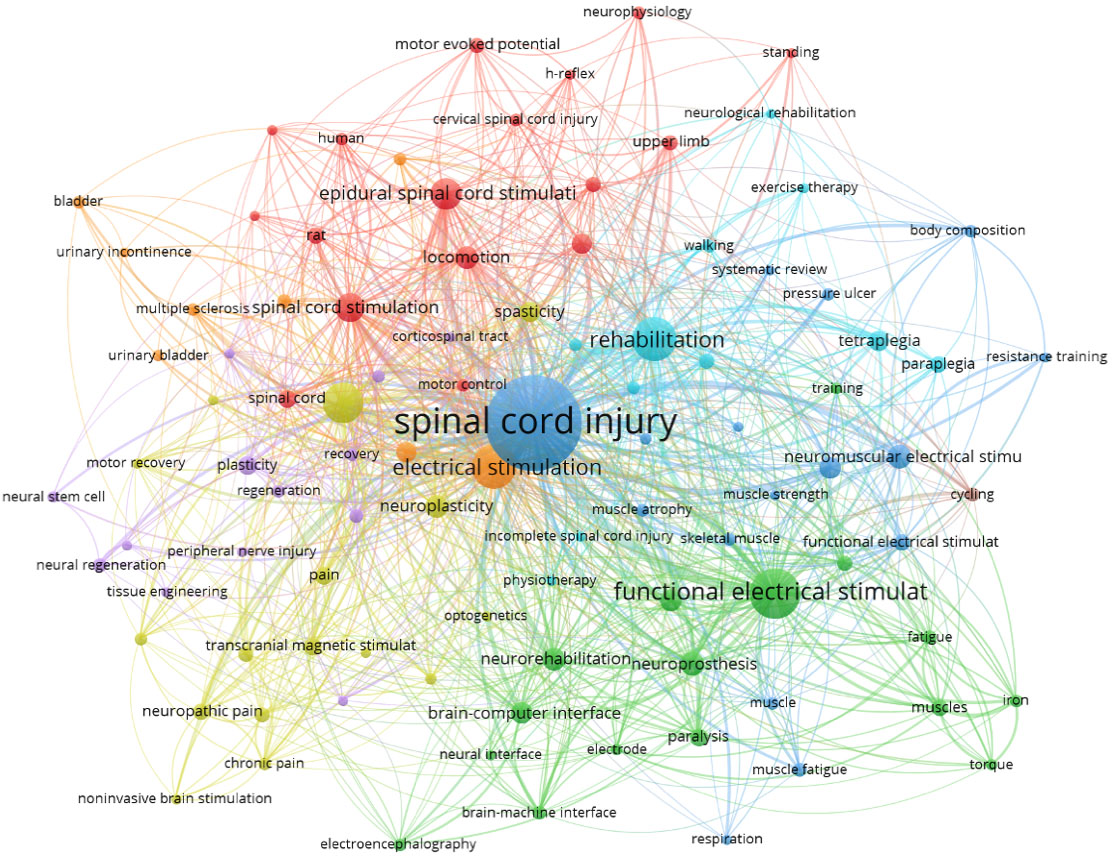
Figure 8. Visual map using VOSviewer network among keywords. Each node represents a keyword, with node size proportional to its occurrence frequency. Node colors and connecting lines represent distinct research clusters and co-occurrence links, mapping the core domains and sub-themes in the field.
Top 20 keywords on research of electrical stimulation therapy for spinal cord injury
| Rank | Keywords | Counts | Rank | Keywords | Counts |
| 1 | spinal cord injury | 872 | 11 | neuroplasticity | 52 |
| 2 | functional electrical stimulation | 245 | 12 | neurorehabilitation | 52 |
| 3 | rehabilitation | 193 | 13 | brain-computer interface | 47 |
| 4 | electrical stimulation | 188 | 14 | electromyography | 47 |
| 5 | neuromodulation | 160 | 15 | exercise | 45 |
| 6 | epidural spinal cord stimulation | 97 | 16 | spasticity | 42 |
| 7 | spinal cord stimulation | 81 | 17 | transcutaneous spinal cord stimulation | 42 |
| 8 | neuroprosthesis | 59 | 18 | tetraplegia | 41 |
| 9 | neuromuscular electrical stimulation | 58 | 19 | stroke | 39 |
| 10 | locomotion | 52 | 20 | plasticity | 34 |
Keyword trend topic analysis
To objectively classify the research landscape rather than rely solely on subjective interpretation, the three evolutionary phases were quantitatively delineated using a combination of keyword average publication years (APY), CiteSpace burst detection metrics, and thematic evolution trajectories. Phase 1 (2015-2017) aggregates keywords with earlier APYs and distinct burst profiles centered on foundational safety and secondary complication management. Phase 2 (2018-2021) is quantitatively anchored by peak citation bursts and co-occurrence frequency shifts toward functional rehabilitation and neuroplasticity. Phase 3 (2022-2025) is defined by recent, high-intensity burst metrics and latest-generation keywords associated with precision neuromodulation, brain-spine interfaces (BSI), and artificial intelligence (AI) integration. Figure 9 depicts trend topics based on author keywords. The initial phase of the decade [Phase 1: Foundational Exploration and Symptomatic Management (2015-2017)] focused on the foundational mechanisms of electrical stimulation and the management of secondary complications associated with SCI. Research during this period prioritized clinical safety and basic electrophysiological observations in human subjects, with significant emphasis on addressing autonomic dysfunctions such as neurogenic bladder and promoting secondary healing processes like wound recovery. Furthermore, the emergence of "closed-loop" and "feedback control" indicates that early investigators were already seeking to enhance the precision of stimulation delivery through regulated algorithmic parameters.
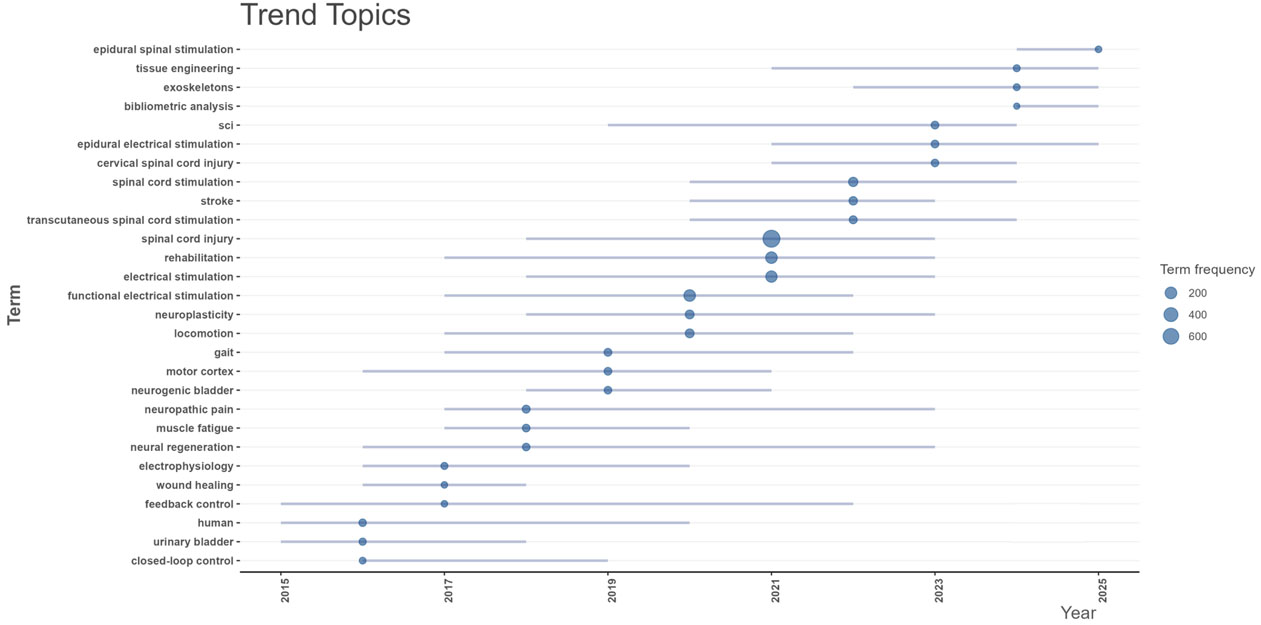
Figure 9. Trend topics analysis displaying the temporal distribution and frequency of key terms over the years. Bubble size indicates term frequency, and horizontal bars represent the active time span.
From 2018 to 2021, the field [Phase 2: Functional Restoration and Neural Plasticity (2018-2021)] shifted toward functional recovery and the exploration of neural repair mechanisms. This period marked the peak of research into Functional Electrical Stimulation (FES) and its integration into intensive rehabilitation protocols aimed at restoring complex motor patterns such as gait and locomotion. Crucially, the academic discourse shifted from viewing electrical stimulation as a passive tool for muscle activation to understanding it as a catalyst for neuroplasticity, investigating how targeted electrical intervention can reorganize neural circuits to facilitate sustained functional gains.
The current era [Phase 3: Precision Modalities and Multidisciplinary Integration (2022-2025)] represents a transition toward highly specialized stimulation modalities and the convergence of disparate technologies. Recent trends highlight a move away from generalized electrical therapy toward precise interventions such as Epidural Spinal Stimulation (ESS) and non-invasive Transcutaneous Spinal Cord Stimulation (TSCS), with a growing focus on challenging high-level injuries like cervical SCI. Moreover, the field is increasingly integrating bioelectronics with cutting-edge disciplines, including exoskeleton robotics for enhanced mobility and tissue engineering for biological scaffolding, reflecting a holistic, "biomechanical" approach to spinal cord reconstruction.
Analysis of highly cited references and citation bursts
Based on Web of Science data, 10 references[37-46] were identified as highly cited and are summarized in Table 5. Separately, Figure 10 presents the top 20 references with the strongest citation bursts detected by CiteSpace. These are distinct bibliometric indicators: Table 5 summarizes citation frequency among selected highly cited references, whereas Figure 10 depicts references showing abrupt increases in citation activity over specific time intervals. The highly cited literature has appeared in leading publications, including The Lancet (IF = 88.5), Brain (IF = 11.7), Nature (IF = 48.5), New England Journal of Medicine (IF = 78.5), and Nature Medicine (IF = 50), underscoring the considerable scientific attention dedicated to ES investigations. Notable highly cited works include Susan Harkema’s paper in The Lancet, Claudia A. Angeli’s article in Brain, and Fabien B. Wagner’s 2018 Nature paper.
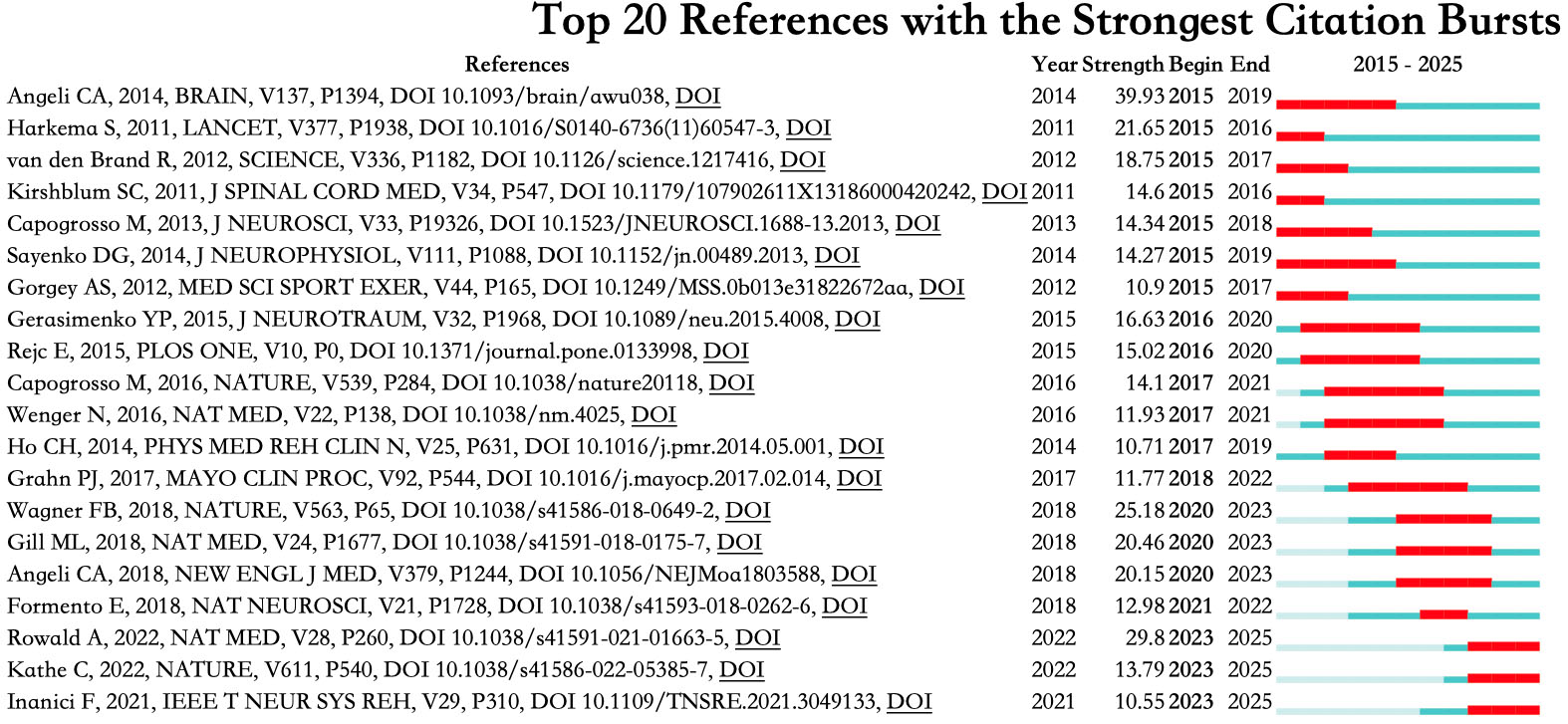
Figure 10. Top 20 references with the strongest citation bursts in the field of spinal cord injury and electrical stimulation research from 2015 to 2025. The blue lines indicate the timeline, and the red segments represent intervals during which citation bursts occurred.
Top 10 co-cited references on research of electrical stimulation therapy for spinal cord injury
| Rank | Co-cited reference | Citations |
| 1 | harkema s, 2011, lancet, v377, p1938, doi 10.1016/s0140-6736(11)60547-3 | 337 |
| 2 | angeli ca, 2014, brain, v137, p1394, doi 10.1093/brain/awu038 | 254 |
| 3 | wagner fb, 2018, nature, v563, p65, doi 10.1038/s41586-018-0649-2 | 224 |
| 4 | angeli ca, 2018, new engl j med, v379, p1244, doi 10.1056/nejmoa1803588 | 197 |
| 5 | gill ml, 2018, nat med, v24, p1677, doi 10.1038/s41591-018-0175-7 | 187 |
| 6 | anderson kd, 2004, j neurotraum, v21, p1371, doi 10.1089/neu.2004.21.1371 | 186 |
| 7 | courtine g, 2009, nat neurosci, v12, p1333, doi 10.1038/nn.2401 | 138 |
| 8 | van den brand r, 2012, science, v336, p1182, doi 10.1126/science.1217416 | 134 |
| 9 | capogrosso m, 2013, j neurosci, v33, p19326, doi 10.1523/jneurosci.1688-13.2013 | 127 |
| 10 | kirshblum sc, 2011, j spinal cord med, v34, p547, doi 10.1179/107902611x13186000420242 | 107 |
The research landscape in electrical stimulation for SCI has evolved from initial proof-of-concept studies to highly sophisticated, multi-modal approaches to functional restoration. Early landmark publications (e.g., Harkema S et al.[41] in The Lancet and Angeli CA et al.[38] in Brain) primarily demonstrated the feasibility of restoring volitional movement and autonomic functions in motor-complete patients using repurposed chronic pain devices. In contrast, recent high-impact research (e.g., Wagner FB et al.[45] in Nature and Angeli CA et al.[37] in the New England Journal of Medicine) has shifted toward spatiotemporal neuromodulation and BSI. Current hotspots emphasize the restoration of complex overground walking through “targeted” stimulation patterns, the integration of AI for real-time control, and the development of "digital bridges" that synchronize cortical intentions with spinal circuits, marking a transition from general activation to individualized precision medicine.
DISCUSSION
Overview and hotspots of electrical stimulation therapy in SCI
The bibliometric analysis of 1,905 publications from 2015 to 2025 reveals that ES has transitioned from an experimental adjunct therapy into an increasingly prominent modality in the rehabilitation and neuromodulatory management of SCI. The overall upward trend in annual publications underscores a global consensus that neuromodulation is one of the most promising frontiers for restoring motor function in paralyzed individuals. Geographically and institutionally, the research landscape is anchored by the dominance of the United States (49.82% of publications) and pioneering institutions such as Case Western Reserve University and the University of Louisville, while substantial contributions from China (13.86%) and high total link strength across European nations highlight a collaborative international priority. Furthermore, landmark publications in leading journals such as The Lancet, Nature, and The New England Journal of Medicine highlight the growing scientific attention to ES as a promising neuromodulatory strategy for facilitating functional recovery in individuals with chronic, motor-complete SCI[37-46].
Clinical significance and translational implications
The trajectory mapped over the past decade suggests an important shift in SCI research: ES is increasingly being investigated not only as an assistive or symptomatic tool but also as a neuromodulatory strategy intended to facilitate neural circuit activation and functional recovery. Traditionally, orthopedic and neurosurgical management of SCI has emphasized structural stabilization, decompression, and rehabilitation. Emerging clinical and experimental studies suggest that residual lumbosacral networks may retain physiological plasticity that can be modulated in selected individuals. Nevertheless, the available evidence remains heterogeneous, and bibliometric trends alone cannot establish disease-modifying effects or clinical efficacy.
By delivering precisely patterned electrical currents, modern neuromodulation effectively elevates the baseline excitability of spinal interneuronal circuits, enabling them to process residual supraspinal signals or interface directly with cortical intents via digital bridges. This transforms the clinical objective from passive compensation to active functional recovery. For the broader orthopedic and neurosurgical communities, these findings signal a vital change in clinical mindset. The future of SCI rehabilitation will not rely on finding a single biological or mechanical cure, but rather on fostering a multidisciplinary ecosystem where bioelectronics, robotics, and tissue engineering converge. In this integrated framework, electrical stimulation serves as the primary catalytic driver, bridging the gap between surgical reconstruction and functional independence[47-51].
Future outlook
Over the past decade, the technological landscape of ES for SCI has undergone a fundamental transformation. Emerging technologies have moved beyond simple muscle activation toward high-precision, cell-specific modulation and "smart" closed-loop systems that integrate advanced materials with biological repair strategies.
High-precision and targeted neuromodulation paradigms
A critical limitation of traditional stimulation is the non-selective activation of neural elements. New modalities are addressing this through biological and physical innovations.
Optogenetic spinal Stimulation: By utilizing light-sensitive proteins (e.g., channelrhodopsin-2) to genetically target specific neuronal subpopulations, optogenetics provides unmatched cellular specificity. Recent studies have focused on activating excitatory interneurons within the Central Pattern Generator (CPG) to induce coordinated locomotor rhythms and "respiratory rescue" by targeting the phrenic motor circuit. This avoids the antidromic activation and non-selective recruitment issues prevalent in electrical stimulation[52,53].
Temporal interference (TI) stimulation: This non-invasive technique utilizes two pairs of high-frequency cutaneous electrodes with a small frequency offset (e.g., 2,000 Hz and 2,010 Hz). The resulting low-frequency envelope (10 Hz) penetrates deep into the spinal parenchyma without activating superficial pain fibers. This allows for deep spinal cord stimulation without the risks of surgical implantation associated with EES[54].
Remote magneto-electric stimulation: A groundbreaking “wireless” approach uses magneto-electric nanoparticles (e.g., Fe3O4@BaTiO3). When embedded in biomimetic hydrogels and exposed to an external pulsed magnetic field, these particles generate localized microcurrents (~ 1.2μA). This has been shown to direct neural stem cell (NSC) differentiation and modulate the inflammatory microenvironment through exosome release, facilitating neural recovery without physical leads[55].
Advanced material-tissue interfaces
The interface between electronics and the fragile spinal cord tissue is being redesigned to improve stability and field penetration.
Subdural thin-film supercapacitive electrodes: Traditional EES is often hindered by the insulating dura mater. New subdural implants utilize ultra-flexible thin-film substrates and supercapacitive materials like iridium oxide (IrOx). These electrodes offer high charge injection limits and superior electrochemical stability. Placed directly beneath the dura, they allow deeper electric-field penetration into the spinal cord at lower voltages, improving motor and sensory outcomes while minimizing neuroinflammation[56,57].
Spatially distributed sequential stimulation (SDSS): To overcome the rapid muscle fatigue inherent in FES, SDSS utilizes multiple small electrodes to distribute the electrical load across a muscle group. By mimicking the natural asynchronous recruitment of motor units, moderate-intensity SDSS significantly extends sustained force output, making long-term rehabilitation more viable[58].
Intention-driven and closed-loop “digital bridges”
The most significant leap in the last decade is the synchronization of stimulation with the patient’s motor intent, creating a "digital bridge across the lesion.
Brain-spine interfaces (BSI): Specifically, BSI systems decode motor intentions from the motor cortex via high-density arrays and transmit these signals to spinal stimulators. This real-time link bypasses the injury site, allowing patients with chronic complete SCI to regain voluntary control over complex tasks like walking, standing, and climbing stairs[59].
Movement-related cortical stimulation (MRCS): This paradigm utilizes Transcranial Magnetic Stimulation (TMS) synchronized with the patient’s attempted movement. By ensuring that the cortical and spinal activations coincide, MRCS leverages Hebbian-like plasticity to strengthen residual corticospinal pathways, leading to sustained improvements in gait and hand function even when the device is off[60].
EMG-triggered wearable neuroprostheses: Modern wearable orthoses now integrate surface electromyography (EMG) to detect subtle muscle signals from residual “proxy” muscles. These signals are decoded to trigger FES patterns for grasping or walking, providing a low-cost, non-invasive way to restore daily functional independence[60-62].
Multimodal synergy and bio-hybrid strategies
The current “evolving landscape” is characterized by the convergence of electrical stimulation with pharmacology and traditional medicine.
Dual electrical stimulation (DES) at the spinal-muscular interface: Recent evidence suggests that the combination of EES and peripheral muscle stimulation (MS) is superior to either alone. Specifically, a frequency range of 10-20 Hz in a DES setup is required to mimic feedforward and feedback signals effectively. This dual-site approach not only promotes axonal regeneration but also enhances the intrinsic excitability of spinal neurons through gene expression modulation[63].
Bioelectronic acupuncture and conductive hydrogels: Integrating electroacupuncture (EA) at Huatuo-Jiaji (EX-B2) points with conductive hydrogel scaffolds represents a unique bio-hybrid approach. The hydrogel acts as a “conductive bridge” across the lesion, guiding EA currents to promote recovery of autonomic functions, most notably improving bladder control and detrusor muscle activity[64].
Oscillating field stimulation (OFS) with pharmacotherapy: OFS, which periodically reverses polarity to promote bidirectional axonal growth, is now being combined with anti-inflammatory drugs such as atorvastatin (ATR). This combination exhibits synergistic effects by simultaneously reducing glial scarring and promoting neurite outgrowth, highlighting the trend toward “multi-target” SCI therapy[65,66].
Limitations of this study
Several limitations must be acknowledged. First, regarding database selection and retrieval strategy biases, our data source was restricted to the Web of Science Core Collection to maintain consistency in citation metrics and metadata formatting; this inherently omits relevant literature indexed in alternative databases such as Scopus, Embase, or PubMed. Additionally, our specific search strings and Boolean operators, while comprehensive, may have introduced retrieval strategy bias by missing eligible publications that utilized variant terminology, alongside language restrictions (focusing solely on English-language articles and reviews) and the exclusion of grey literature or conference abstracts, which may narrow our global perspective on emerging research trends. Second, concerning methodological constraints in citation analysis, citation counts can be influenced by citation bias, self-citations, and the passage of time (favoring older publications regardless of contemporary relevance), while bibliometric tools primarily evaluate quantitative publication trends, citation networks, and structural mappings rather than the underlying methodological rigor or true scientific quality of individual studies. Finally, regarding clinical translation and technical heterogeneity, bibliometric evaluations cannot directly assess the clinical efficacy, safety profiles, or therapeutic superiority of specific interventions. The dataset aggregates a broad spectrum of distinct neuromodulation modalities - such as epidural electrical stimulation, transcutaneous spinal cord stimulation, and functional electrical stimulation—that exhibit significant technical heterogeneity, varying mechanisms of action, and diverse clinical indications, which cannot be fully differentiated through macro-level bibliometric mapping alone.
Conclusions
This bibliometric analysis of the literature from 2015 to 2025 underscores a transformative decade in ES for SCI. The evidence demonstrates that ES has advanced from basic muscle activation toward more sophisticated spatiotemporal and closed-loop neuromodulation paradigms.
The primary findings of this study highlight three critical shifts in the research landscape. First, technology has matured significantly, moving from generalized FES to high-precision modalities such as ESS and TSCS. Second, the integration of AI and BSI has effectively created a “digital bridge”, restoring volitional control by synchronizing cortical intentions with spinal circuit modulation. Finally, the therapeutic scope has expanded beyond motor recovery to include the vital restoration of autonomic functions, such as hemodynamic stability and neurogenic bladder management, which are essential for the holistic recovery of SCI patients.
While these findings reflect a decade of profound progress, the scope of this bibliometric analysis is subject to certain limitations, including potential database bias and the exclusion of non-English literature, which may restrict the universality of the global trends identified. Furthermore, challenges remain in standardizing stimulation protocols and improving access to invasive technologies. Nonetheless, given current methodological limitations, including study heterogeneity and small sample sizes, future research must prioritize rigorous, standardized clinical trials to fully establish its long-term therapeutic efficacy and translational potential.
In conclusion, the past ten years have laid the foundation for a new era of personalized neuromodulation. For clinicians and researchers alike, the focus must now shift toward accelerating clinical translation, ensuring that these high-impact scientific breakthroughs reach the bedside to fundamentally improve the lives of those affected by SCI.
DECLARATIONS
Authors’ contributions
Conceived and designed the study: Ren Y, Fan B
Performed the literature search and data collection: Ren Y, Fan B
Conducted the bibliometric analyses, interpreted the results, and drafted the manuscript: Ren Y, Fan B
Assisted with data verification, bibliometric analysis, and result visualization: Wang J, Liu S
Contributed to the literature review, interpretation of the findings, and critical revision of the manuscript: Zhang P, Zhen J, Li B, Shi G
Supervised the study: Qin Y, Liu L
Contributed to the study design and interpretation of the results: Qin Y, Liu L
Critically revised the manuscript for important intellectual content: Qin Y, Liu L
All authors reviewed and approved the final version of the manuscript and agreed to be accountable for all aspects of the work.
Availability of data and materials
The bibliographic data analyzed in this study were retrieved from the Web of Science Core Collection. The datasets generated and/or analyzed during the current study, including the processed bibliometric data used for VOSviewer and CiteSpace analyses, are available from the corresponding authors upon reasonable request.
AI and AI-assisted tools statement
During the preparation of this manuscript, the AI tool Gemini (Gemini 2.5 Pro, released 2025-06-17) was used solely for language editing and improving readability. In addition, the spinal cord injury model element used in the graphical abstract was generated with the assistance of OpenAI GPT-5.6 Sol and subsequently edited and incorporated by the authors. These AI tools did not influence the study design, data collection, analysis, interpretation, or the scientific content of the work. All authors take full responsibility for the accuracy, integrity, and final content of the manuscript.
Financial support and sponsorship
This research was sponsored by the Beijing-Tianjin-Hebei Basic Research Cooperation Project (J230012) [including Hebei Natural Science Foundation H2023110901 and Tianjin Science and Technology Project (No. 23JCZXJC00030)], and Tianjin Health Research Project (Grant No. TJWJ2025QN050).
Conflicts of interest
Fan B is a Youth Editorial Board Member of Science Orthopedics. Fan B was not involved in any stage of the editorial process, including reviewer selection, manuscript handling, or decision-making. The other authors declare no competing interests.
Ethics approval and consent to participate
Not applicable.
Consent for publication
Not applicable.
Copyright
© The Author(s) 2026.
REFERENCES
1. Xia Y, Zhu J, Yang R, Wang H, Li Y, Fu C. Mesenchymal stem cells in the treatment of spinal cord injury: mechanisms, current advances and future challenges. Front Immunol. 2023;14:1141601.
2. Alizadeh A, Dyck SM, Karimi-Abdolrezaee S. Traumatic spinal cord injury: an overview of pathophysiology, models and acute injury mechanisms. Front Neurol. 2019;10:282.
3. Vanzulli I, Butt AM. mGluR5 protect astrocytes from ischemic damage in postnatal CNS white matter. Cell Calcium. 2015;58:423-30.
4. Fan H, Chen K, Duan L, Wang YZ, Ju G. Beneficial effects of early hemostasis on spinal cord injury in the rat. Spinal Cord. 2016;54:924-32.
5. Wu HY, Tomizawa K, Oda Y, et al. Critical role of calpain-mediated cleavage of calcineurin in excitotoxic neurodegeneration. J Biol Chem. 2004;279:4929-40.
6. Silva NA, Sousa N, Reis RL, Salgado AJ. From basics to clinical: a comprehensive review on spinal cord injury. Prog Neurobiol. 2014;114:25-57.
7. Nickel M, Gu C. Regulation of central nervous system myelination in higher brain functions. Neural Plast. 2018;2018:6436453.
8. Tran AP, Warren PM, Silver J. The biology of regeneration failure and success after spinal cord injury. Physiol Rev. 2018;98:881-917.
9. Alizadeh A, Dyck SM, Karimi-Abdolrezaee S. Myelin damage and repair in pathologic CNS: challenges and prospects. Front Mol Neurosci. 2015;8:35.
10. Pukos N, Goodus MT, Sahinkaya FR, McTigue DM. Myelin status and oligodendrocyte lineage cells over time after spinal cord injury: what do we know and what still needs to be unwrapped? Glia 2019;67:2178-202.
11. Khorasanizadeh M, Yousefifard M, Eskian M, et al. Neurological recovery following traumatic spinal cord injury: a systematic review and meta-analysis. J Neurosurg Spine. 2019;30:683-99.
12. Ahuja CS, Nori S, Tetreault L, et al. Traumatic spinal cord injury-repair and regeneration. Neurosurgery. 2017;80:S9-S22.
13. Badhiwala JH, Wilson JR, Witiw CD, et al. The influence of timing of surgical decompression for acute spinal cord injury: a pooled analysis of individual patient data. Lancet Neurol. 2021;20:117-26.
14. Duan R, Qu M, Yuan Y, et al. Clinical benefit of rehabilitation training in spinal cord injury: a systematic review and meta-analysis. Spine (Phila Pa 1976). 2021;46:E398-410.
15. Harvey LA. Physiotherapy rehabilitation for people with spinal cord injuries. J Physiother. 2016;62:4-11.
16. Zhou H, Lou Y, Chen L, et al. Epidemiological and clinical features, treatment status, and economic burden of traumatic spinal cord injury in China: a hospital-based retrospective study. Neural Regen Res. 2024;19:1126-33.
17. Liu Y, Yang X, He Z, et al. Spinal cord injury: global burden from 1990 to 2019 and projections up to 2030 using Bayesian age-period-cohort analysis. Front Neurol. 2023;14:1304153.
18. Shang S, Wang C, Wang W, et al. Sex-related differences in epidemiology, treatment, and economic burden of traumatic spinal cord injury in China (2013-2018). Spine (Phila Pa 1976). 2023;48:E288-301.
19. Rektorová I, Pupíková M, Fleury L, Brabenec L, Hummel FC. Non-invasive brain stimulation: current and future applications in neurology. Nat Rev Neurol. 2025;21:669-86.
20. Khare D, Basu B, Dubey AK. Electrical stimulation and piezoelectric biomaterials for bone tissue engineering applications. Biomaterials. 2020;258:120280.
21. Lepley LK, Wojtys EM, Palmieri-Smith RM. Combination of eccentric exercise and neuromuscular electrical stimulation to improve quadriceps function post-ACL reconstruction. Knee. 2015;22:270-7.
22. Klika AK, Yakubek G, Piuzzi N, Calabrese G, Barsoum WK, Higuera CA. Neuromuscular electrical stimulation use after total knee arthroplasty improves early return to function: a randomized trial. J Knee Surg. 2022;35:104-11.
23. Moroder P, Karpinski K, Akgün D, et al. Neuromuscular electrical stimulation-enhanced physical therapist intervention for functional posterior shoulder instability (Type B1): a multicenter randomized controlled trial. Phys Ther. 2024;104:pzad145.
24. Paessler HH. Emerging techniques in orthopedics: advances in neuromuscular electrical stimulation. Am J Orthop (Belle Mead NJ). 2012;41:1-8.
25. Fischer QS, Kalikulov D, Viana Di Prisco G, Williams CA, Baldwin PR, Friedlander MJ. Synaptic plasticity in the injured brain depends on the temporal pattern of stimulation. J Neurotrauma. 2024;41:2455-77.
26. Capogrosso M, Milekovic T, Borton D, et al. A brain-spine interface alleviating gait deficits after spinal cord injury in primates. Nature. 2016;539:284-8.
27. Chandrasekaran S, Davis J, Bersch I, Goldberg G, Gorgey AS. Electrical stimulation and denervated muscles after spinal cord injury. Neural Regen Res. 2020;15:1397-407.
28. Horowitz RS, Randall ZD, Dy CJ. Electrical stimulation: enhancing axonal growth following peripheral nerve injury. J Hand Surg Asian Pac Vol. 2024;29:373-9.
29. Hicks D, Wouters P, Waltman L, de Rijcke S, Rafols I. Bibliometrics: the Leiden manifesto for research metrics. Nature. 2015;520:429-31.
30. Mukherjee D, Lim WM, Kumar S, Donthu N. Guidelines for advancing theory and practice through bibliometric research. J Bus Res 2022;148:101-15.
31. Mishra AK, Jain MK, Dash SK. Ambient air quality and indexing with reference to suspended particulate matter and gaseous pollutants around a cement plant in OCL India limited, Rajgangpur, Odisha, India. Curr Sci 2019;116:1905.
32. Synnestvedt MB, Chen C, Holmes JH. CiteSpace II: visualization and knowledge discovery in bibliographic databases. AMIA Annu Symp Proc. 2005;2005:724-8.
33. van Eck NJ, Waltman L. Software survey: VOSviewer, a computer program for bibliometric mapping. Scientometrics. 2010;84:523-38.
34. van Eck NJ, Waltman L. Citation-based clustering of publications using CitNetExplorer and VOSviewer. Scientometrics. 2017;111:1053-70.
36. Chen C, Leydesdorff L. Patterns of connections and movements in dual‐map overlays: A new method of publication portfolio analysis. Asso for Info Science & Tech. 2014;65:334-51.
37. Angeli CA, Boakye M, Morton RA, et al. Recovery of over-ground walking after chronic motor complete spinal cord injury. N Engl J Med. 2018;379:1244-50.
38. Angeli CA, Edgerton VR, Gerasimenko YP, Harkema SJ. Altering spinal cord excitability enables voluntary movements after chronic complete paralysis in humans. Brain. 2014;137:1394-409.
39. Gerasimenko YP, Lu DC, Modaber M, et al. Noninvasive reactivation of motor descending control after paralysis. J Neurotrauma. 2015;32:1968-80.
40. Gill ML, Grahn PJ, Calvert JS, et al. Neuromodulation of lumbosacral spinal networks enables independent stepping after complete paraplegia. Nat Med. 2018;24:1677-82.
41. Harkema S, Gerasimenko Y, Hodes J, et al. Effect of epidural stimulation of the lumbosacral spinal cord on voluntary movement, standing, and assisted stepping after motor complete paraplegia: a case study. Lancet. 2011;377:1938-47.
42. Rejc E, Angeli C, Harkema S. Effects of lumbosacral spinal cord epidural stimulation for standing after chronic complete paralysis in humans. PLoS One. 2015;10:e0133998.
43. Rowald A, Komi S, Demesmaeker R, et al. Activity-dependent spinal cord neuromodulation rapidly restores trunk and leg motor functions after complete paralysis. Nat Med. 2022;28:260-71.
44. Kirshblum SC, Waring W, Biering-Sorensen F, et al. Reference for the 2011 revision of the international standards for neurological classification of spinal cord injury. J Spinal Cord Med. 2011;34:547-54.
45. Wagner FB, Mignardot JB, Le Goff-Mignardot CG, et al. Targeted neurotechnology restores walking in humans with spinal cord injury. Nature. 2018;563:65-71.
46. van den Brand R, Heutschi J, Barraud Q, et al. Restoring voluntary control of locomotion after paralyzing spinal cord injury. Science. 2012;336:1182-5.
47. Hersh AM, Weber-Levine C, Jiang K, Theodore N. Spinal cord injury: emerging technologies. Neurosurg Clin N Am. 2024;35:243-51.
48. Noga BR, Serville J, Guest JD. Deep brain stimulation of the mesencephalic locomotor region or lateral hypothalamus for facilitation of walking after spinal cord injury. Curr Opin Neurol. 2025;38:667-77.
49. Cho N, Squair JW, Bloch J, Courtine G. Neurorestorative interventions involving bioelectronic implants after spinal cord injury. Bioelectron Med. 2019;5:10.
50. Bouton CE. Merging brain-computer interface and functional electrical stimulation technologies for movement restoration. Handb Clin Neurol. 2020;168:303-9.
51. Li S, Gao S, Hu Y, Xu J, Sheng W. Brain-computer interfaces in spinal cord injury: a promising therapeutic strategy. Eur J Neurosci. 2025;62:e70183.
52. Henderson RP, Mondello SE, Moritz CT. Electrical and optogenetic spinal cord stimulation for movement recovery after spinal cord injury. Curr Opin Neurol. 2025;38:654-9.
53. Su H, Jing L, Lv D, Huan Z, Xu W. Central pattern generators in spinal cord injury: mechanisms, modulation, and therapeutic strategies for motor recovery. JOR Spine. 2025;8:e70100.
54. Xie X, Mou H, Chen W, et al. Noninvasive temporal interference electrical stimulation for spinal cord rehabilitation. J Vis Exp. 2025:e68574.
55. Liu W, Liu Q, Li Z, et al. Multifunctional magneto-electric and exosome-loaded hydrogel enhances neuronal differentiation and immunoregulation through remote non-invasive electrical stimulation for neurological recovery after spinal cord injury. Bioact Mater. 2025;48:510-28.
56. Du L, Zhang L, Bao S, et al. Electric stimulation combined with biomaterials for repairing spinal cord injury. ACS Biomater Sci Eng. 2025;11:3276-96.
57. Bhatt M, Das B. Advancements in spinal cord injury treatment: integrating drug delivery, biophysical stimulation, cell-based therapies, and tissue engineering approaches. ACS Appl Bio Mater. 2025;8:6526-40.
58. Jafari E, Kajganic P, Bergeron V, Di Marco J, Metani A, Popovic-Maneski L. Efficacy of high- versus moderate-intensity spatially distributed sequential stimulation in subjects with spinal cord injury: an isometric study. J Neuroeng Rehabil. 2025;22:65.
59. Shiferaw BT, Jin MY, Patel M, Henjum LJ, Abd-Elsayed A. Deep brain stimulation and brain-spine interface for functional restoration in spinal cord injury. Biomedicines. 2025;13:631.
60. Cunningham DA, Oleson CV, Peckham PH, Kilgore KL. Case studies in neuroscience: movement-related cortical stimulation to enhance corticospinal transmission in chronic incomplete spinal cord injury. J Neurophysiol. 2025;134:397-406.
61. Thorsen R, Ferrarin M. A wearable open-source neuroprosthesis/neuro-orthosis for restoring hand function. Sensors (Basel). 2025;25:3282.
62. Kim RY, Biller OM, Mulcahey MJ. Evaluating therapeutic effects of exoskeletons and FES in SCI: integrative review of the literature. Spinal Cord. 2025;63:323-32.
63. Zhou K, Wei W, Yang D, et al. Dual electrical stimulation at spinal-muscular interface reconstructs spinal sensorimotor circuits after spinal cord injury. Nat Commun. 2024;15:619.
64. Zhang Q, Wei F, Zhang L, et al. Electroacupuncture at Huatuo-Jiaji acupoints combined with conductive hydrogel synergistically improves bladder and motor functions after spinal cord injury. Mater Today Bio. 2025;35:102335.
65. Wang G, Xu L, Fan J, et al. Application of oscillating field stimulation in the treatment of spinal cord injury: a systematic review and meta-analysis of preclinical studies. J Neuroeng Rehabil. 2025;22:85.
Cite This Article
 Open Access
How to Cite
Download Citation
Export Citation File:
Type of Import
Tips on Downloading Citation
Citation Manager File Format
Type of Import
Direct Import: When the Direct Import option is selected (the default state), a dialogue box will give you the option to Save or Open the downloaded citation data. Choosing Open will either launch your citation manager or give you a choice of applications with which to use the metadata. The Save option saves the file locally for later use.
Indirect Import: When the Indirect Import option is selected, the metadata is displayed and may be copied and pasted as needed.
About This Article
Copyright

Data & Comments
Data
0







Comments
Comments must be written in English. Spam, offensive content, impersonation, and private information will not be permitted. If any comment is reported and identified as inappropriate content by OAE staff, the comment will be removed without notice. If you have any queries or need any help, please contact us at support@oaepublish.com.